MAIN ARTICLE
A month of uncertainty and diplomatic pressure
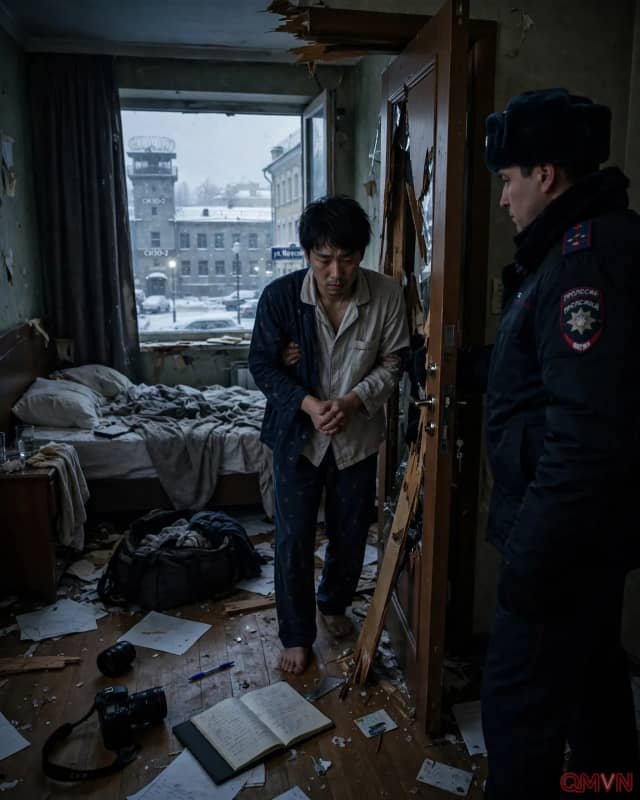
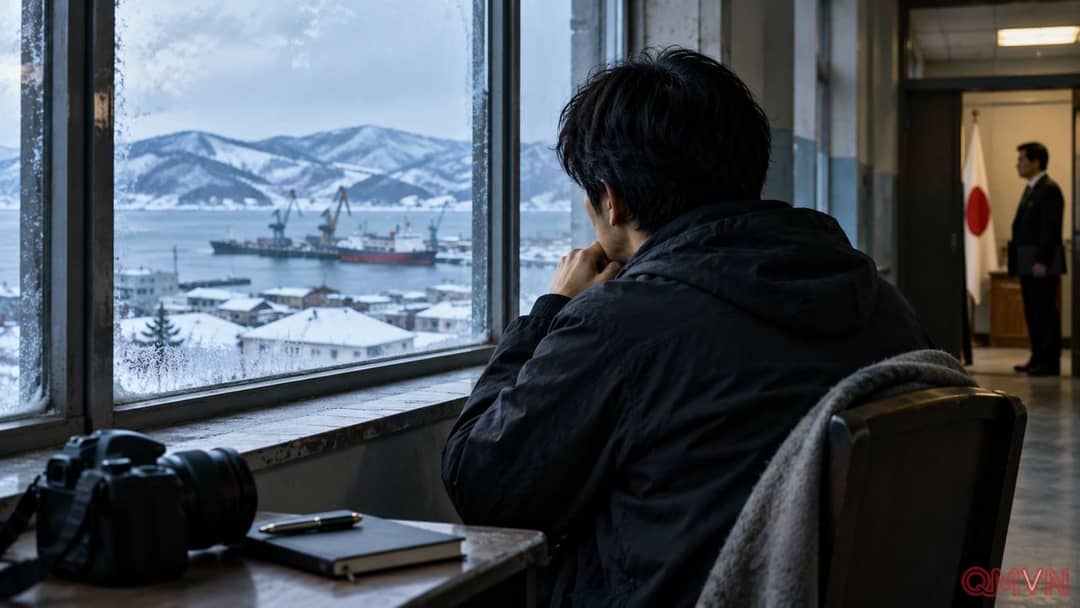
The FSB detained Imai in Sakhalin on October 13 before transferring him to Moscow. According to Reuters and the Committee to Protect Journalists, Russian authorities allege he gathered information concerning defense capabilities for Japanese intelligence. That is the investigators’ allegation, not an independently verified finding or a final court judgment.
Tokyo sought explanations and consular access soon after the arrest. Kimitake Nakamura, a senior Japanese Foreign Ministry official responsible for European affairs, urged the Russian side to permit a diplomatic visit. Japanese embassy staff met Imai on October 26 and reported no health concerns, an observation specific to that visit rather than a guarantee about future detention conditions.
Foreign Minister Toshimitsu Motegi raised the case with Sergey Lavrov during a meeting in the United States on October 30. Japan’s ambassador to Russia, Akira Muto, also demanded Imai’s immediate release. Tokyo is thus pursuing parallel objectives: protecting its citizen and seeking a diplomatic resolution while the criminal proceedings remain under Russian control.