MAIN ARTICLE
Twelve letters and a coming transfer of investigative power
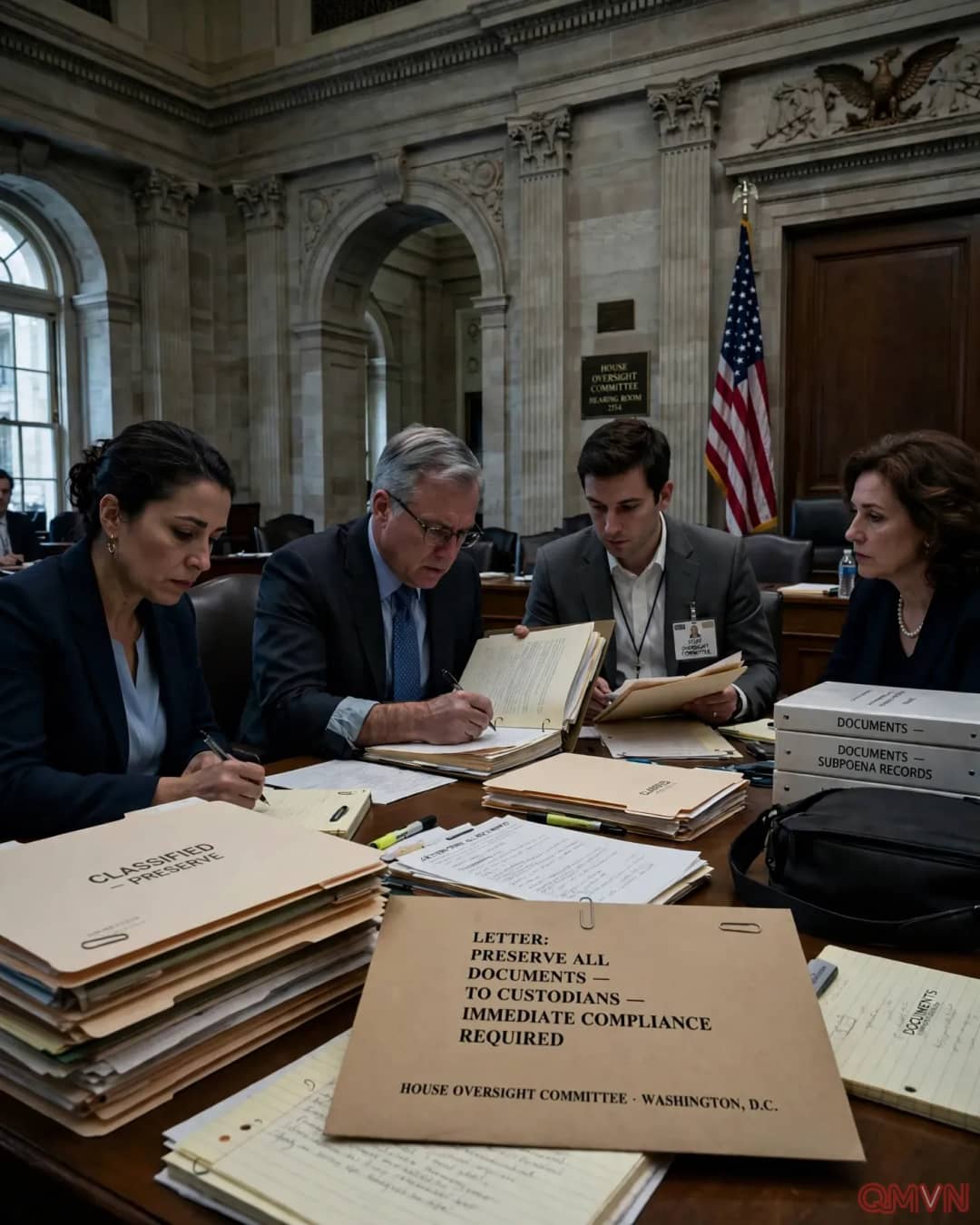
On November 18, Robert Garcia, expected to lead the House Oversight and Government Reform Committee, sent 12 letters to people connected to President Donald Trump. A committee Democratic statement, Reuters and the Associated Press describe them as groundwork for future inquiries, chiefly asking recipients to preserve communications and other relevant records. Preserving documents is not the same as producing them under compulsory process: Democrats expect to gain broader subpoena authority when the new Congress convenes in January.
The timing is deliberate. Democrats want potentially relevant material retained before formal investigations begin, while Republicans see the prospect of an adversarial agenda immediately following the midterms. Garcia has made clear that further action is expected. Yet the gulf between an allegation in a letter and proof capable of standing up to scrutiny remains central to any credible investigation.
Congress can hold hearings, examine records and propose laws, but its inquiries must have a legitimate legislative basis and may be contested under legal privileges and judicial review. The eventual measure of success is therefore not the number of people summoned, but the integrity of the evidence and the fairness of the process.