The Shock Dethronement Proclamation and the Cascading Political Fall
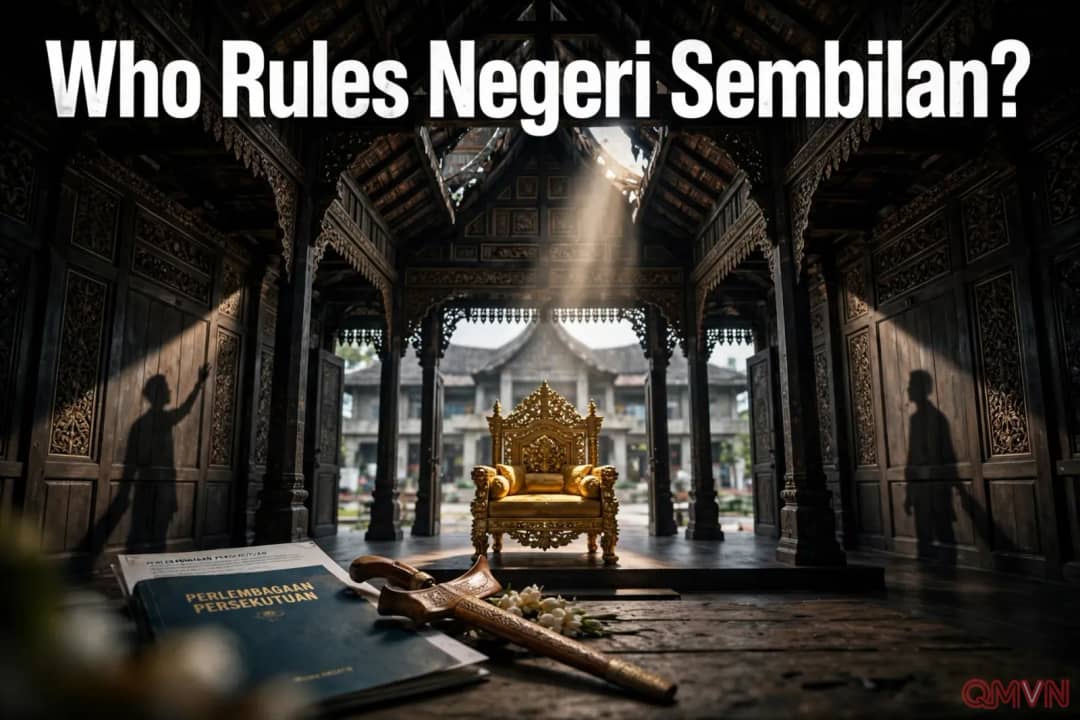
Within Malaysia’s sovereign architecture, Negeri Sembilan occupies a unique constitutional niche as the sole state practicing an elective monarchy rather than patrilineal birthright succession. Guided by centuries-old matrilineal customs known as Adat Pepatih, the appointment of the state ruler, or Yang di-Pertuan Besar, rests exclusively with four hereditary territorial chiefs known as the undangs. The crisis erupted on April 19 when the four undangs issued a joint decree declaring the removal of Tuanku Muhriz Tuanku Munawir on misconduct grounds, designating Tunku Nadzaruddin Tuanku Ja’afar as immediate successor.
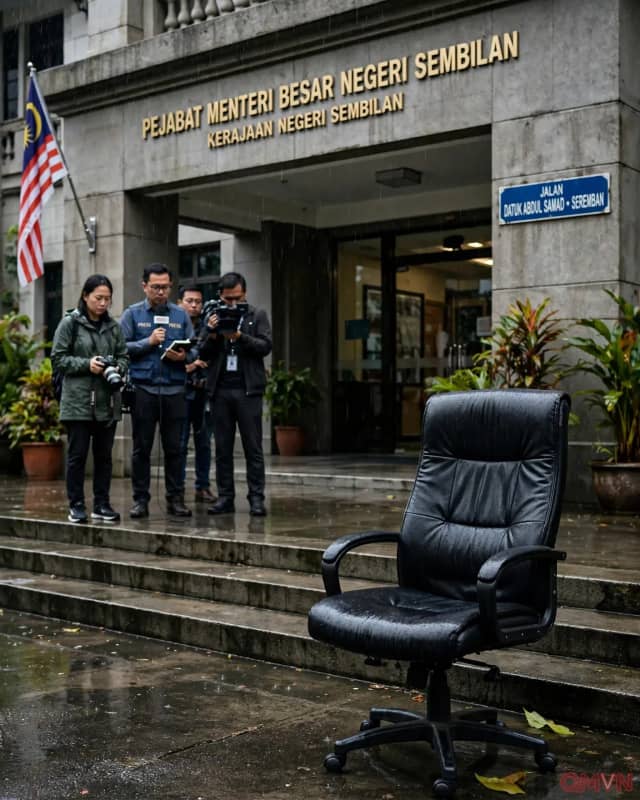
The royal household of Tuanku Muhriz forcefully rejected the decree, asserting that no substantiated evidence existed and revealing that two of the undangs had previously been dismissed from their customary offices. Rather than remaining confined to the royal court, the feud triggered severe political turmoil. Fourteen state assemblymen from the United Malays National Organisation (UMNO) withdrew from the governing coalition led by Prime Minister Anwar Ibrahim’s Pakatan Harapan after the chief minister declined to endorse the proclamation, directly precipitating August snap elections.
“It’s been a disaster for the state government. You have one chief minister without any executive councillors to assist in the administration of the state.” — Lim Wei Jiet