MAIN CONTENT
A classroom filled with people who already have careers
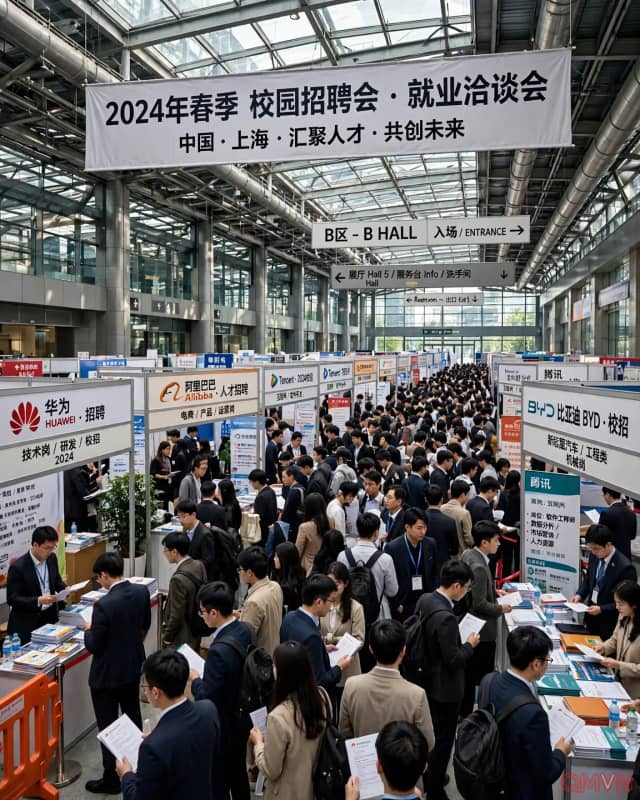
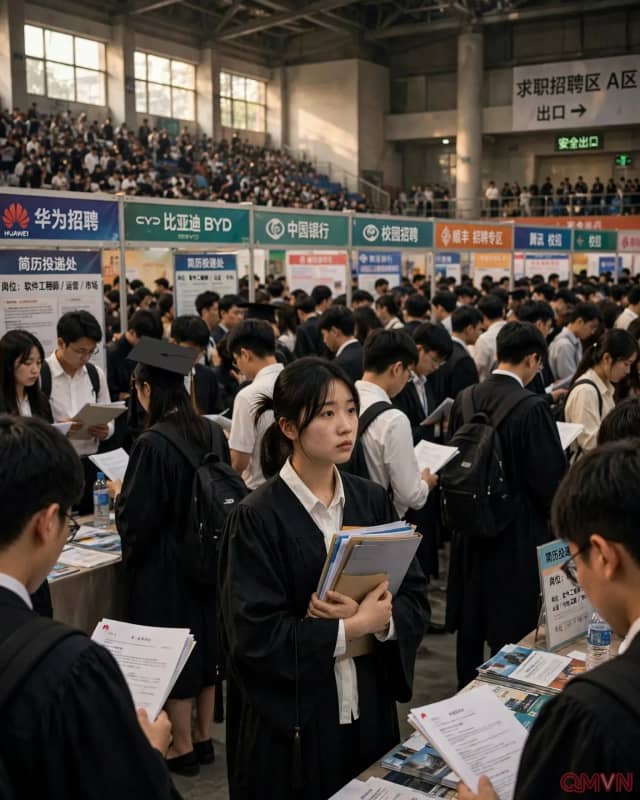
The striking feature of this demand is not simply the volume of applications but the profile of applicants. According to the survey reported by the South China Morning Post, professionals with three to eight years of experience accounted for more than 70% of applicants. Such students are more likely to arrive with concrete questions: how to lead a digital project, understand an unfamiliar market or switch into a field shaped by automation.
A master’s degree becomes part of career planning rather than a postponed graduation ceremony. Employers seeking staff capable of working across languages, regulations and technical systems may welcome these credentials. Yet employers ultimately assess what people can do. A diploma can open a conversation; the ability to apply a model, manage a team or solve a problem determines whether that conversation leads anywhere.
Technology programmes connect global syllabuses with local workplaces
In Guangdong province, Dongguan University of Technology and Britain’s Edinburgh Napier University offer a jointly organised master’s programme in artificial intelligence and data science. Project information reflecting China’s education approvals describes a roughly 18-month course awarding a degree from the British partner, with study conducted in China.