MAIN ARTICLE
A party vote opens a historic door
The secret ballot took place on November 18 among Democrats who won or retained House seats. Jeffries faced no declared rival, yet an explicit vote helped establish how strongly colleagues supported his candidacy. The 251–11 outcome demonstrated broad confidence as the party prepared to move from minority status to majority control. Importantly, it was a party nomination rather than the election of the speaker by the full House.
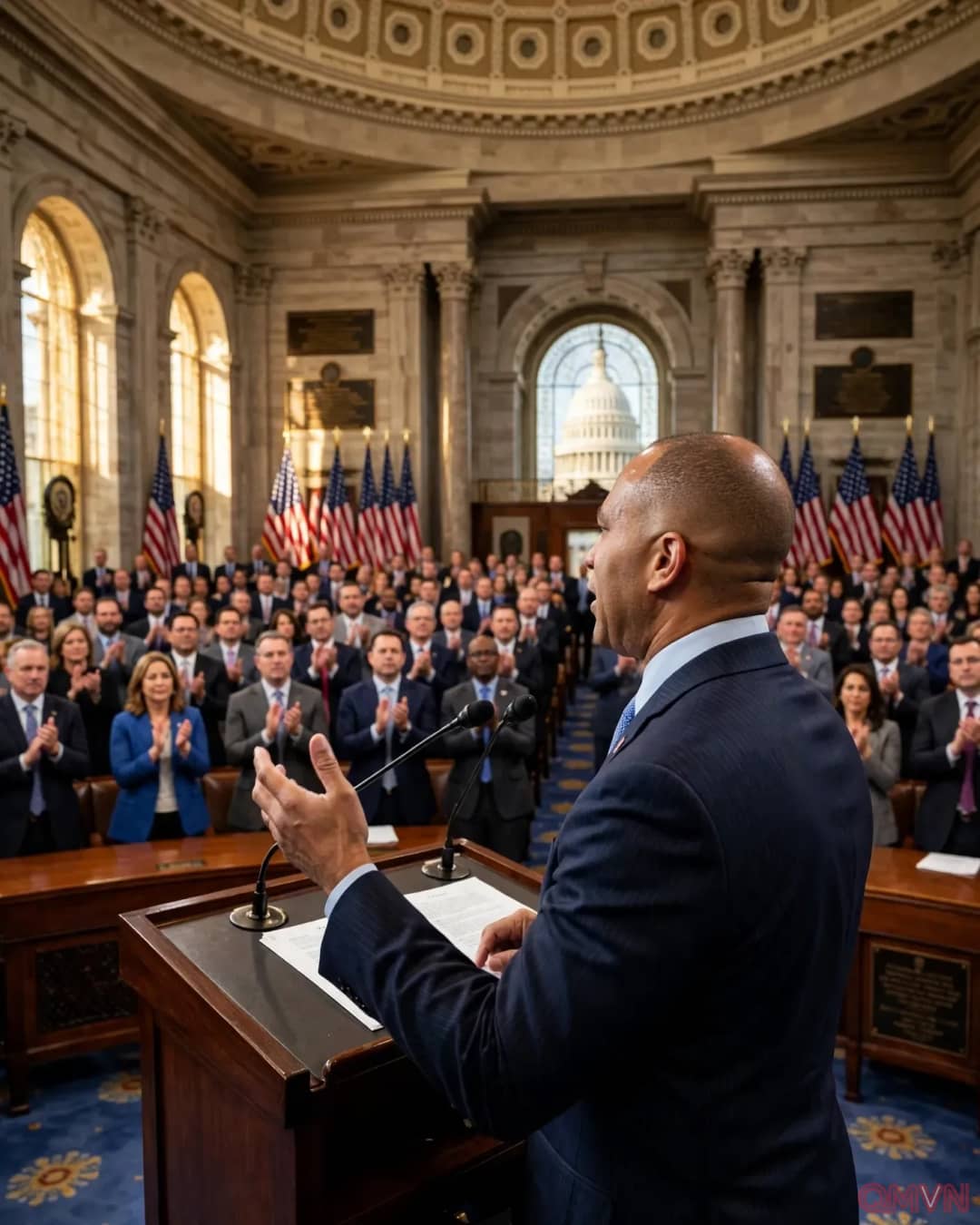
That decisive chamber-wide vote is scheduled for January 3, 2027, and Republican representatives will participate alongside Democrats. A substantial Democratic majority places Jeffries in a strong position, although procedural votes and the cohesion of his caucus still matter. His potential ascent as the first Black speaker carries historical significance beyond parliamentary arithmetic, reflecting the long expansion of political representation in a country whose institutions once excluded many Black citizens.
What the eleven dissenting votes reveal
Some of the resistance came from recently elected Democrats, including progressive lawmakers who want more ambitious policy commitments. Seven issued a joint statement saying they were continuing constructive discussions with Jeffries.