From Remote Communities to the Blue Card: 20 Years of Compulsory Income Management
The story began in 2007, when the Australian Government first introduced compulsory income management into remote Aboriginal communities in central Australia after a series of child abuse scandals in the outback. According to The Guardian and BBC, the initial idea was to protect children by ensuring welfare money was spent only on essentials.
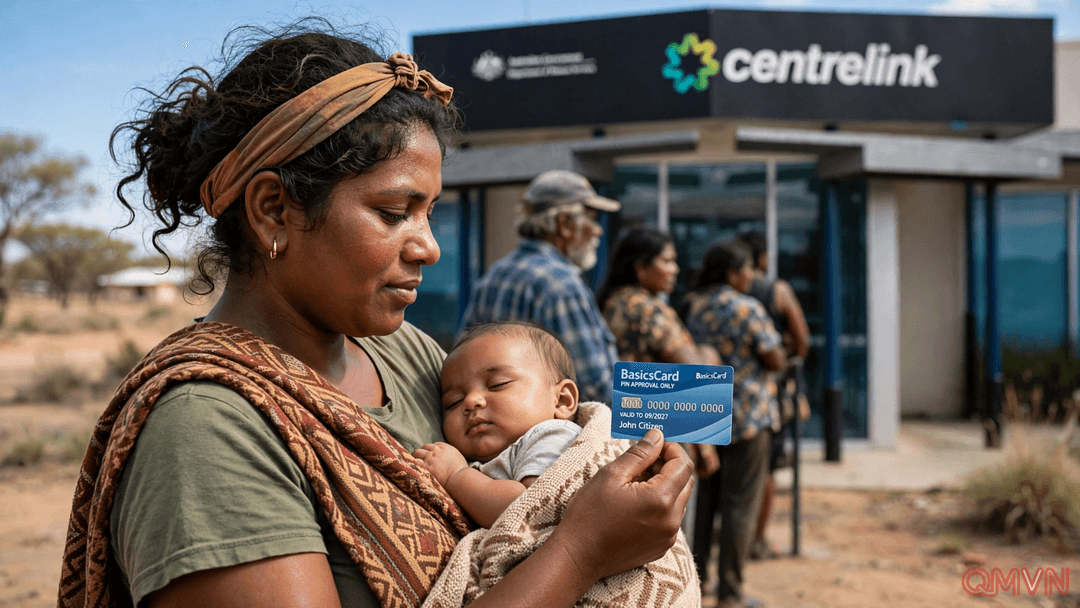
People were automatically put on the program if they lived in a declared remote area and received specific benefits, or if social services flagged them as vulnerable. Money was quarantined to the BasicsCard, a PIN-protected card usable only at approved stores. According to the Northern Territory Council of Social Service, more than 30,000 people in the territory remain under compulsory management, mostly Indigenous.
Under Malcolm Turnbull, the system was expanded in 2016 with the cashless welfare card, also called the Cashless Debit Card, run by company Indue, blocking cash withdrawals and quarantining up to 80 percent of payments. The government then argued that limiting cash would reduce alcohol, drugs and gambling.
BasicsCard quarantines 50 percent of income for food, housing, health and education only.