MAIN CONTENT
The warmth and cruelty that can coexist at home
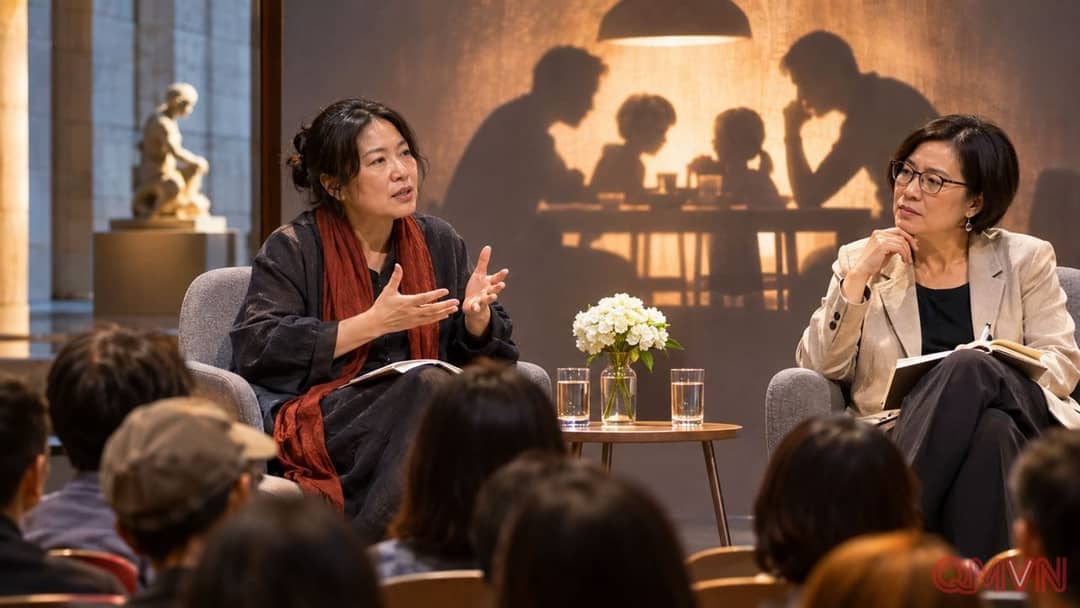
At a full auditorium in Singapore’s National Gallery, Liang challenged the familiar image of home as an uncomplicated sanctuary. The intimacy that allows care can also make control, reproach and fear especially painful. A parent’s assertion that something is being done “for your own good” does not necessarily answer what a child actually needs. Questioning such language is not a rejection of parental affection; it asks whether affection has room for another person’s voice.
In Seeking The Light, published in 2025, Liang travelled to three Chinese cities to understand young people experiencing psychological distress. Her interviews with school dropouts, clinicians and families exposed the limitations of explanations based entirely on individual resilience. Accounts of demanding timetables and fractured conversations make visible pressures that aggregate surveys cannot convey. Figures about depressive symptoms among adolescents should nevertheless be interpreted carefully: screening results are not the same as clinical diagnoses.
Liang has long argued that broad categories, including “rural migrant workers”, conceal distinctive human lives. A family, similarly, is not a fixed moral symbol. A mother can love deeply and still impose unrealistic expectations. A child can remain grateful while needing greater independence. Literature can preserve those contradictions without forcing them into a verdict.