MAIN ARTICLE
An exit without a signing ceremony
Speaking to Mehr News Agency, Sachs suggested that Washington's reluctance to appear weak stands in the way of an openly negotiated compromise. He argues that a practical retreat from confrontation, starting with an end to the blockade of Iranian ports, could create room for safer commercial navigation. This is a proposal to change behavior before settling every political grievance. It is not evidence that the parties have accepted the conditions needed for a ceasefire or resolved responsibility for the fighting.
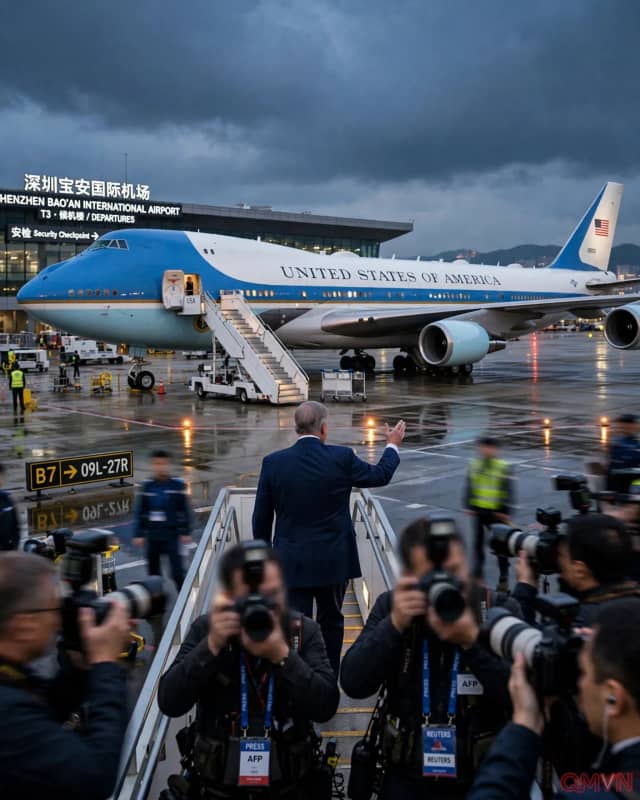
Diplomatic developments illustrate why the idea is attractive but fragile. Reuters reported on November 12 that Trump said Washington did not need a deal with Iran and redirected Vice President JD Vance toward domestic matters. Tehran meanwhile continues to seek an end to the blockade, sanctions relief and guarantees before returning to nuclear negotiations. A quiet reduction in hostilities might happen more quickly than a treaty, but it could also collapse quickly if opposing sides assign different meanings to restraint.
Hormuz turns a regional struggle into a global bill
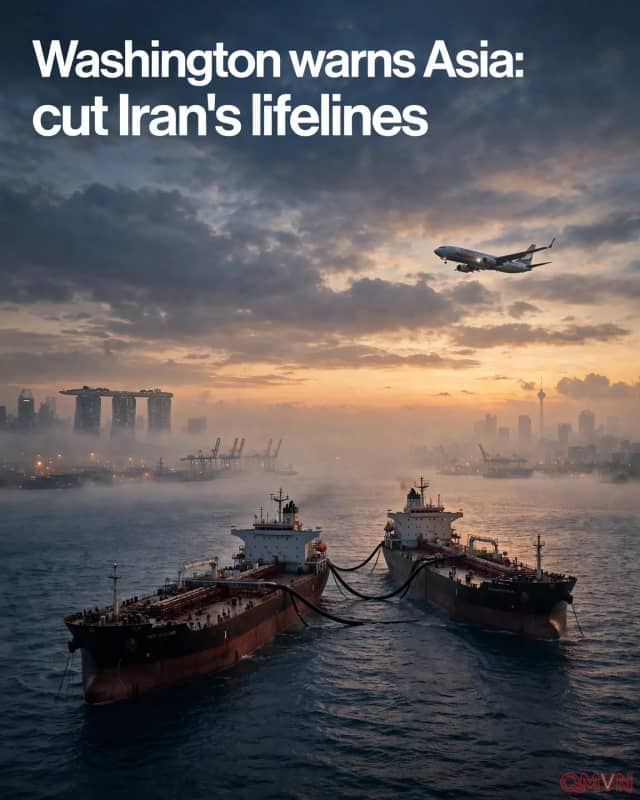
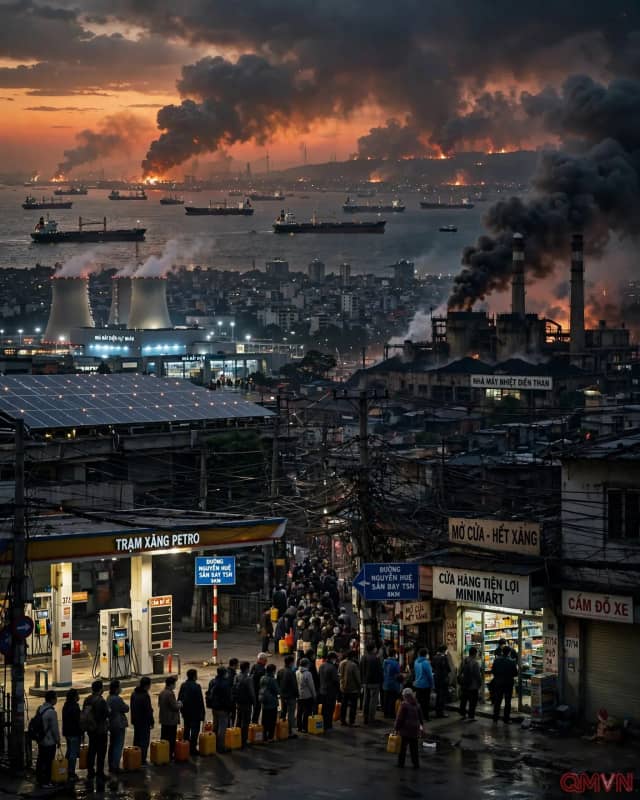
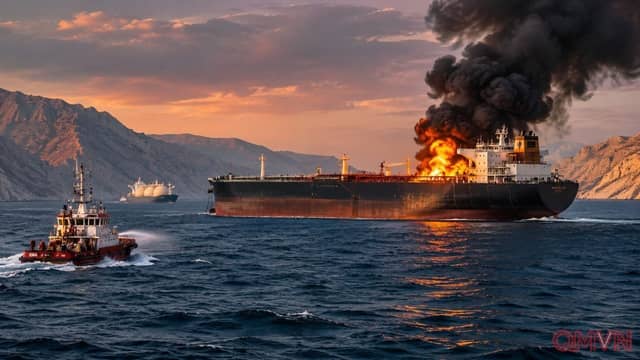
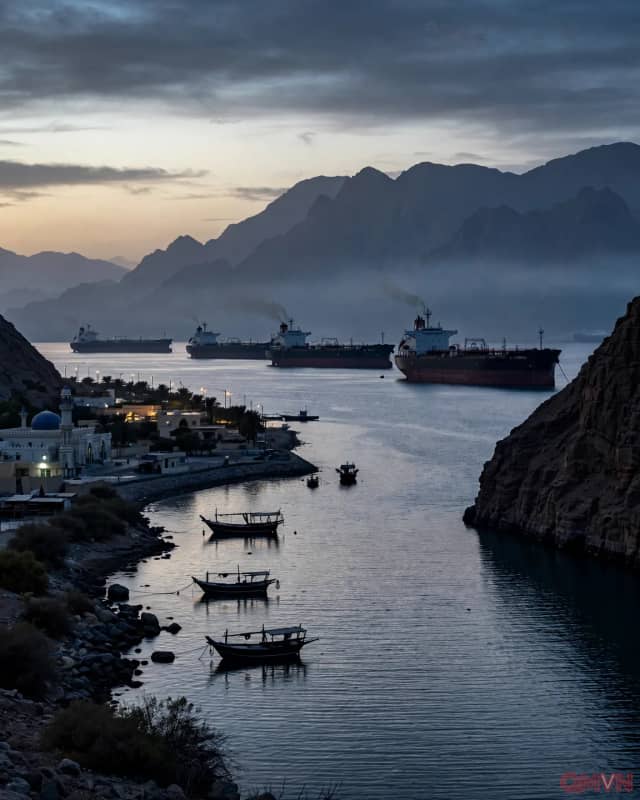
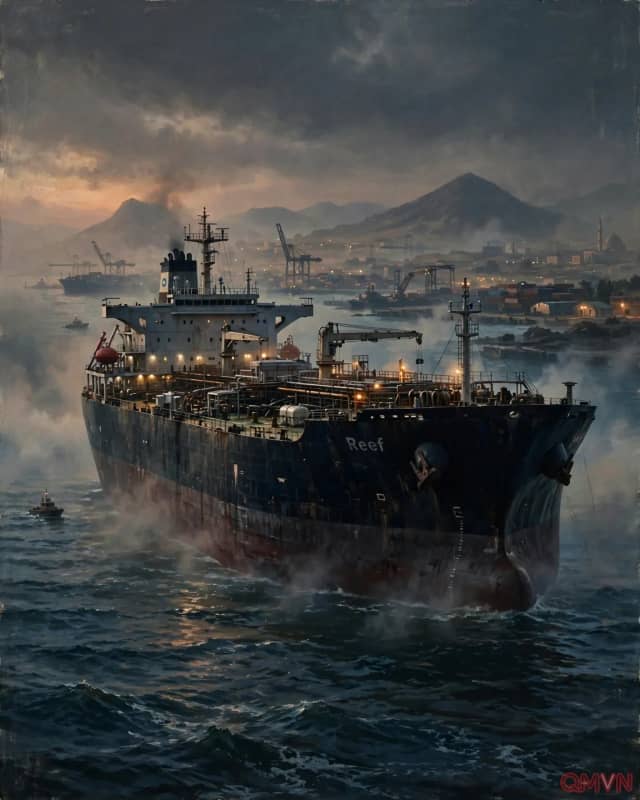
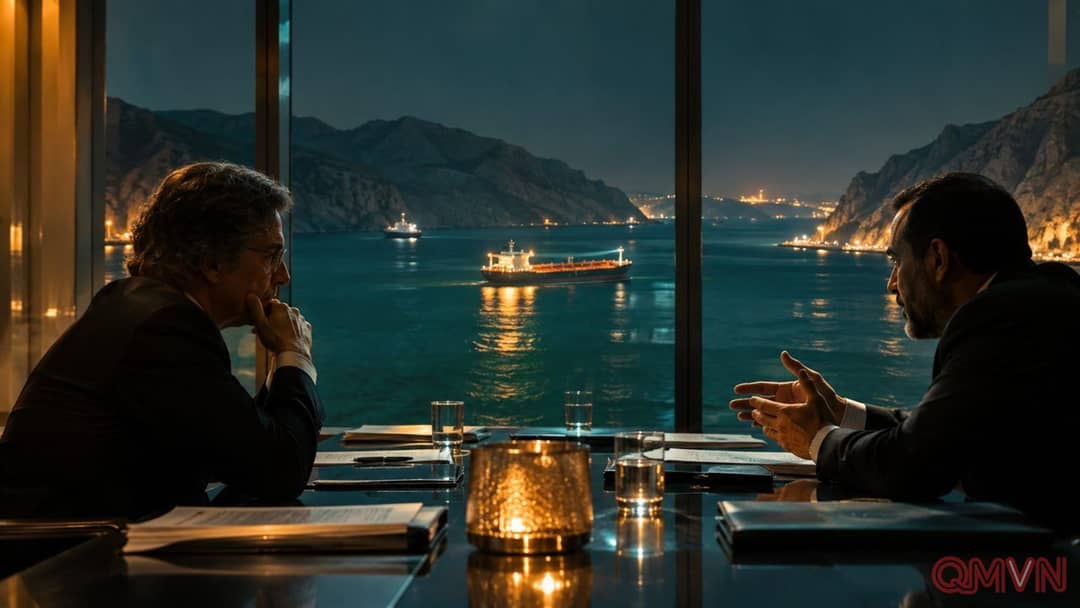
The Strait of Hormuz links Persian Gulf energy producers with distant consumers. When cargo vessels face attacks, interdiction or costly detours, insurance and transport expenses rise for countries far removed from the battlefield.