MAIN CONTENT
A turning point, not the disappearance of fossil fuels
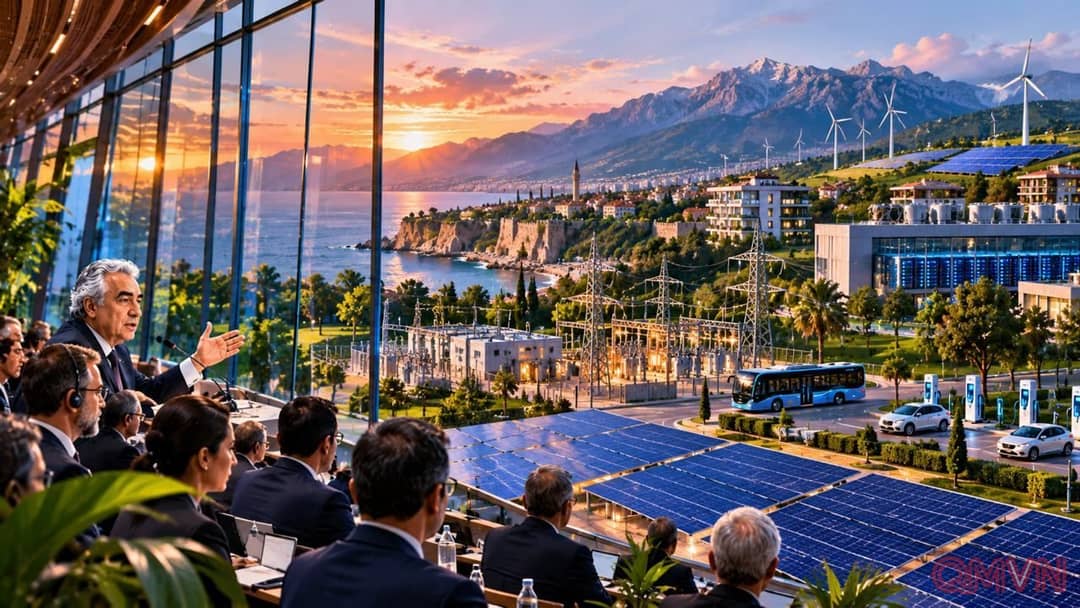
Electricity is an energy carrier, rather than a primary fuel such as coal or gas. Birol’s description of an electrical age therefore should not be mistaken for a claim that oil, coal and gas have ceased to matter. It describes a change in the way energy services are delivered: electric motors can replace combustion engines, heat pumps can replace gas heating, and digitally controlled industrial processes can use electricity directly. The share of energy consumed as electricity and the volume of fossil fuel burned are separate measurements, and both matter for climate progress.
According to IEA and COP31 materials, electricity supplies about 23% of worldwide final energy consumption today. The proposed “35-by-35” target would lift that share to 35% by 2035, requiring an acceleration well beyond the historical pace. It remains a policy ambition subject to political support and negotiations, not a binding decision already accepted by every country. Electrification can lower emissions dramatically when paired with cleaner generation; if demand is met through coal-fired power, many of the climate benefits are lost.
Three forces behind the surge in demand
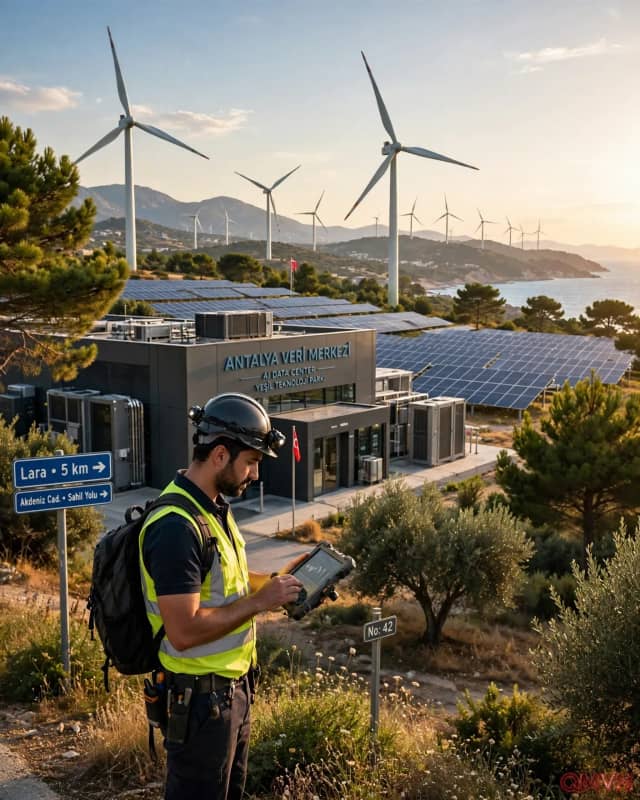
Birol highlighted three major drivers. Artificial intelligence data centres need vast amounts of continuous power and new grid connections. Electric transport is gradually displacing petrol and diesel while expanding the need for accessible charging.