MAIN ARTICLE
A demand beyond the conventional climate agenda
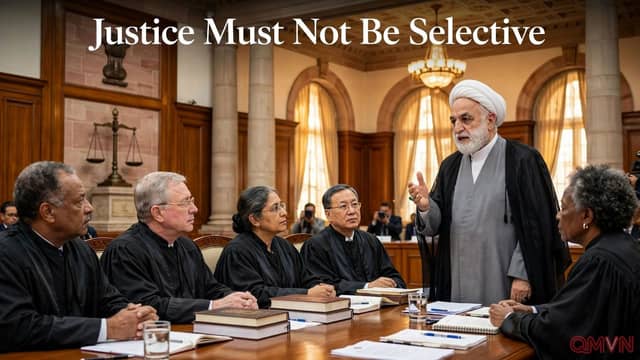
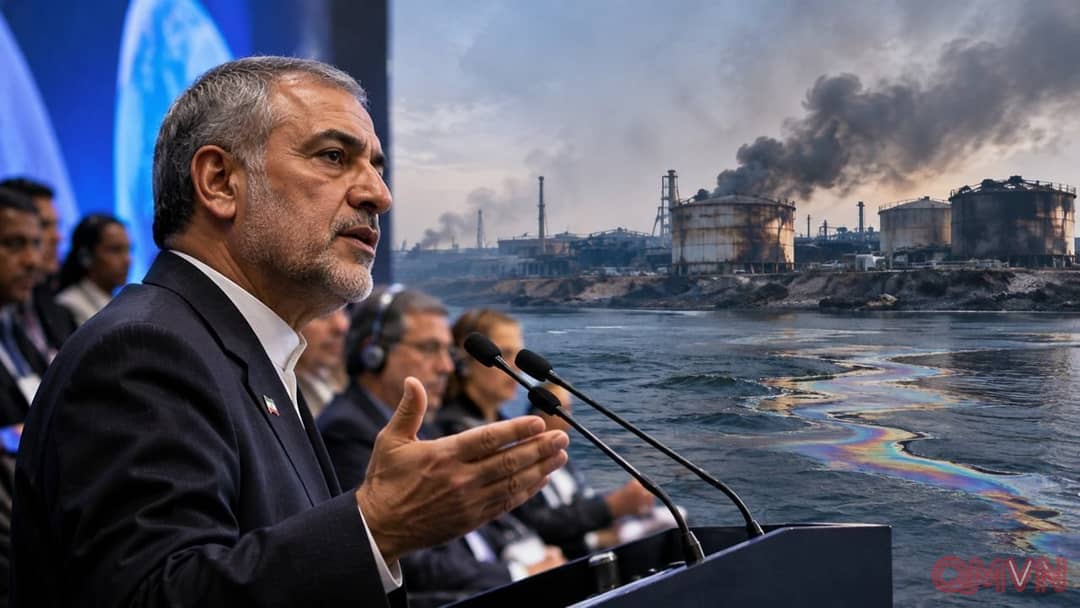
Addressing world leaders at COP31, President Masoud Pezeshkian called for a meaningful connection between climate commitments and accountability during war. Reuters reported that he sought documentation, independent assessment and compensation mechanisms for environmental harm. His remarks were a request from Iran, not a policy already adopted by the climate conference.
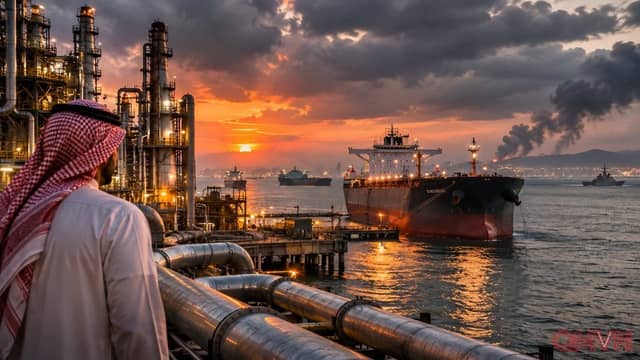
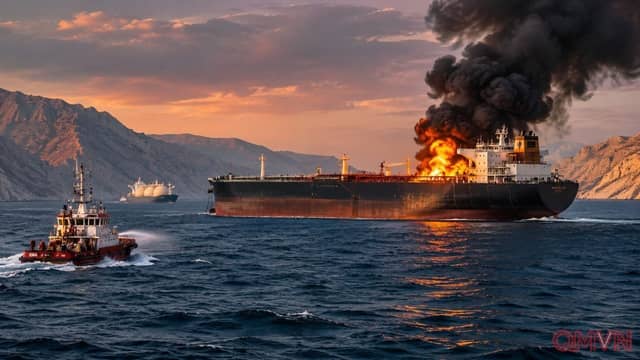
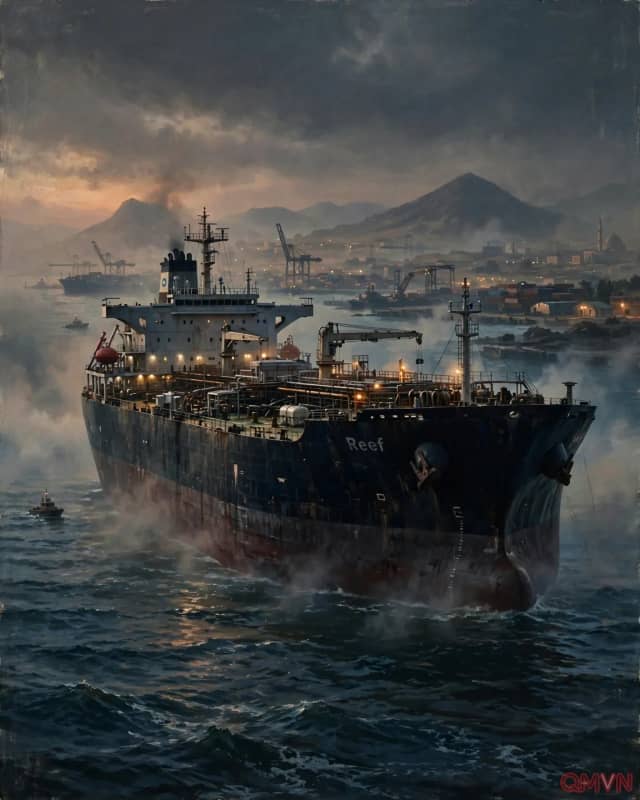
The intervention moves an issue usually debated in security forums into climate diplomacy. When oil storage tanks burn, seawater becomes contaminated or agricultural land absorbs pollutants, consequences may continue long after the fighting ends. Fishing communities, farmers and families dependent on clean water can face years of health concerns and remediation costs.
Figures that require independent verification
According to AFP and Anadolu reports, Pezeshkian attributed roughly 1.5 million tonnes of carbon dioxide emissions to strikes on fuel infrastructure in Asaluyeh and near Tehran, with estimates of 500,000 tonnes and one million tonnes respectively. These are figures presented by Iran, not independently verified findings. Transparent methods and a defined scope would be necessary before they could support any claim for compensation.