MAIN CONTENT
A new channel of dialogue, not yet a deal
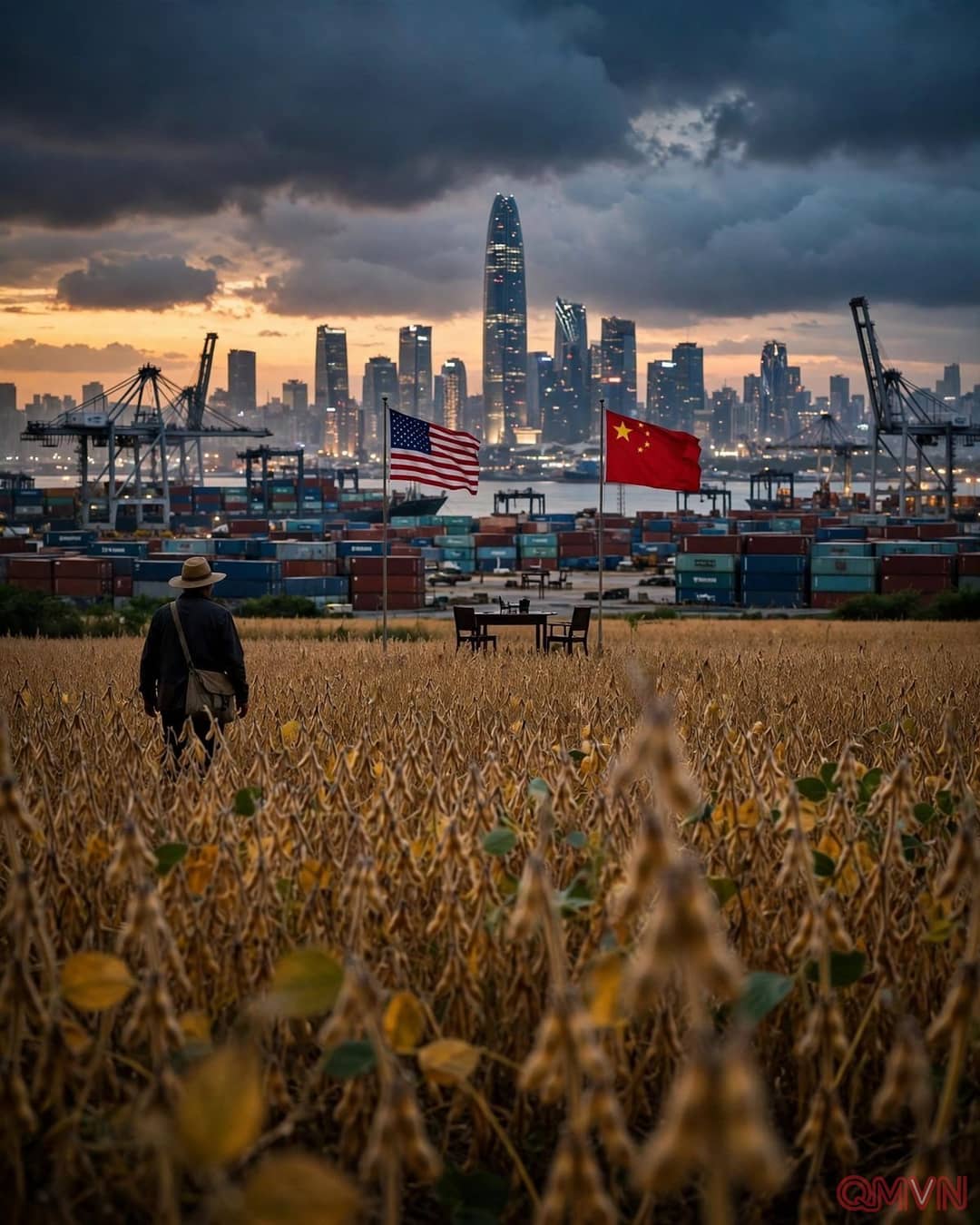
At the November 13 meeting, representatives of the two largest economies discussed how to implement the results of earlier consultations, including tariff measures and agricultural trade. China’s Commerce Ministry said the council would remain a forum for addressing disputes and identifying possible cooperation. Yet its statement gave no binding outcome. For now, the meeting looks more like diplomatic groundwork than a confirmed commercial turning point.
A shared objective should not be confused with a shared implementation plan. Companies need to know which products qualify for lower duties, when new rates will take effect and whether purchasing procedures will change. Until those details are published, expressions of goodwill are unlikely to translate immediately into orders, capital spending or more predictable consumer prices.
The $60 billion proposal and the sequencing problem
Following the leaders’ September meeting in Washington, negotiators discussed reciprocal tariff concessions valued at $30 billion on each side. The $60 billion headline describes the combined scope of the proposed reductions, not a direct cash transfer.