MAIN ARTICLE
A confirmed summit, not a confirmed breakthrough
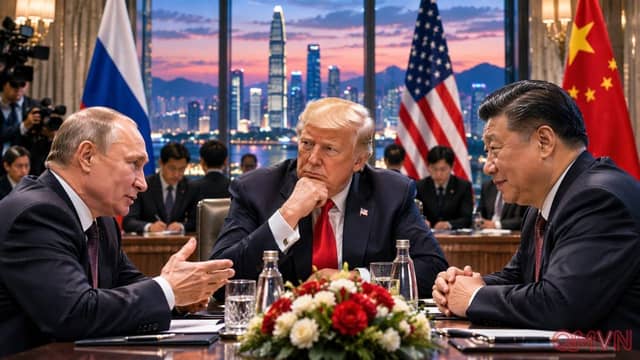
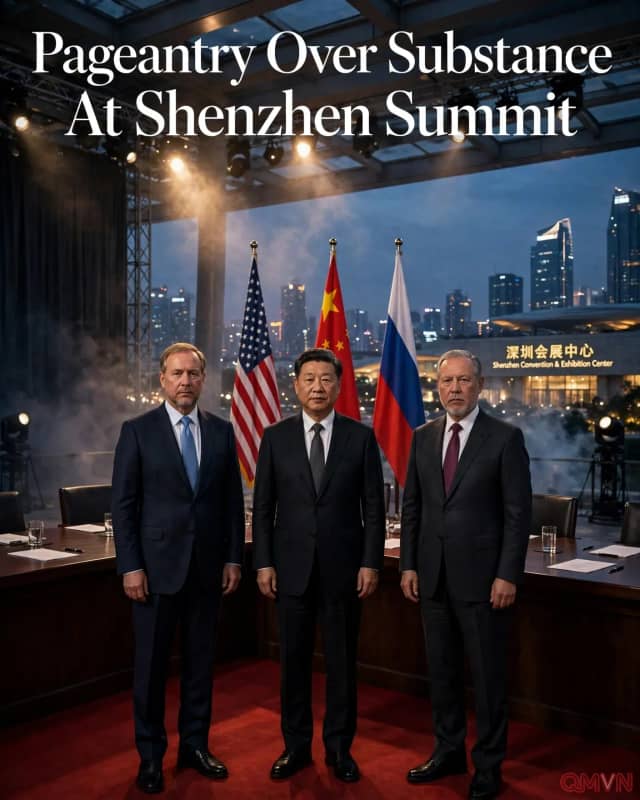
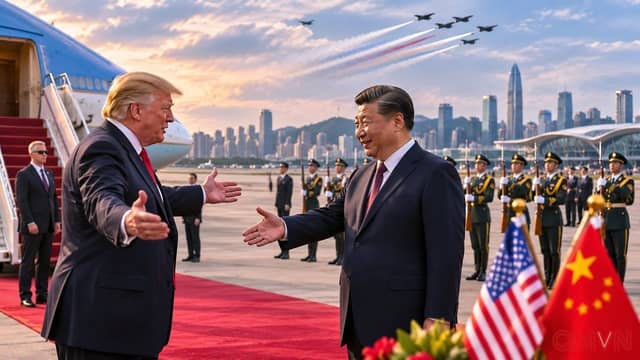
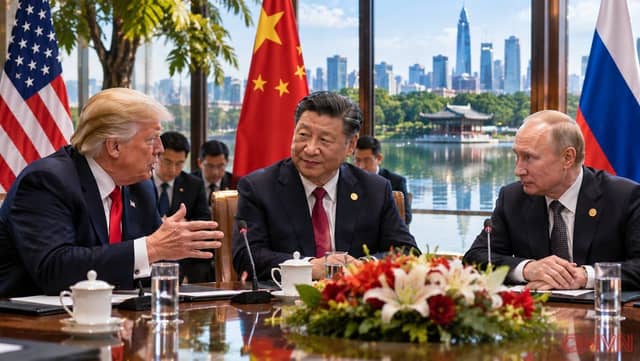
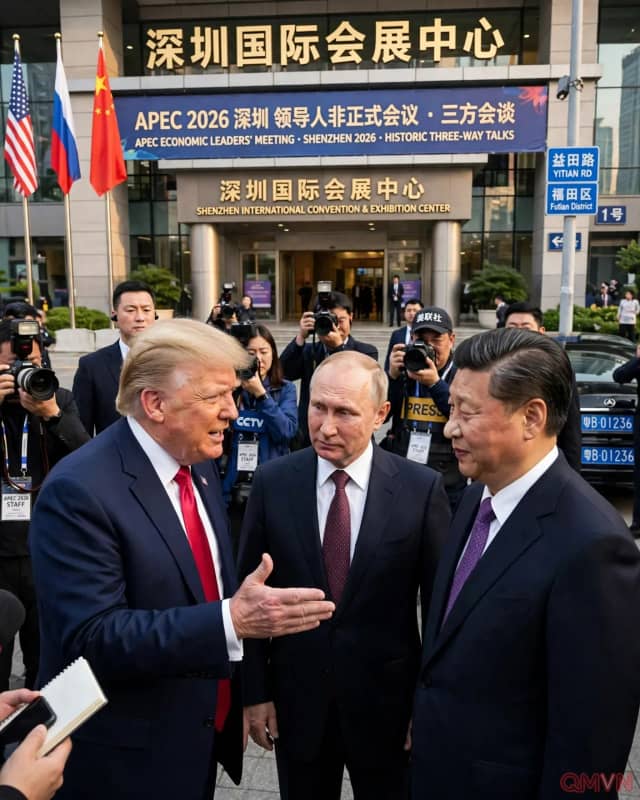
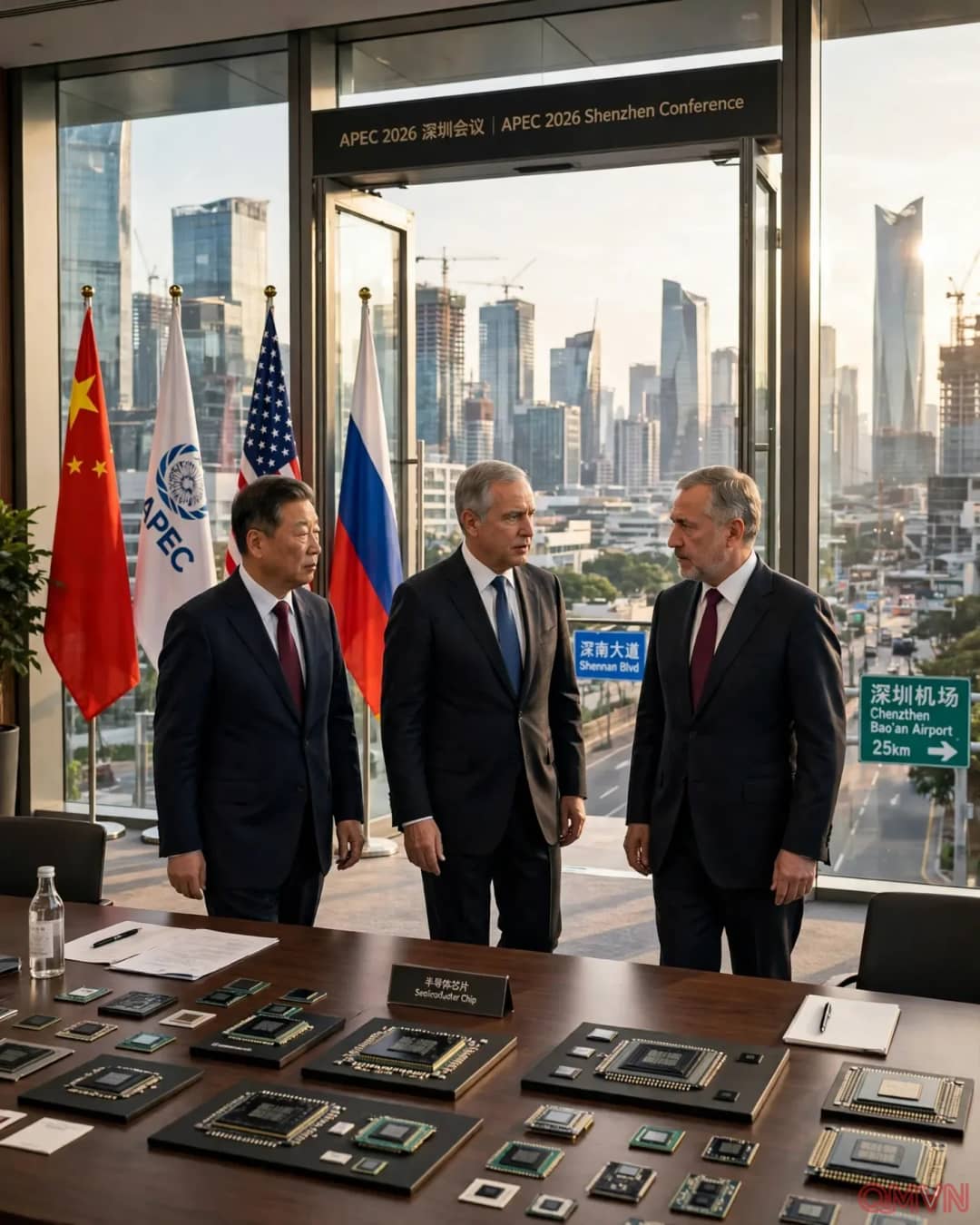
On November 16, China’s foreign ministry announced that President Xi Jinping would meet US President Donald Trump and Russian President Vladimir Putin in Shenzhen on November 19. American and Russian officials had previously referred to preparations for the encounter. The timing places it alongside APEC, where economies linked through trade, investment and manufacturing must navigate mounting geopolitical competition. Confirmation of the meeting establishes the diplomatic schedule; it does not establish a shared agenda or agreed outcome.
News coverage has called the planned encounter a “G3” summit. Yet G3 is a shorthand, not a formal institution with authority over APEC or the United Nations. A summit can lower the temperature by creating direct channels between leaders, but lasting results require specific understandings, follow-up and implementation. Without those, the significance of the event must remain an open question.
Why Nvidia is only one part of the relationship
In an Asian Insider episode hosted by Ravi Velloor, development economist and China specialist Bert Hofman considered whether the Jensen Huang saga might cloud US–China relations before the meeting. Crucially, the discussion was recorded on November 11, before Beijing’s November 16 confirmation.