The face of a generation growing heavier
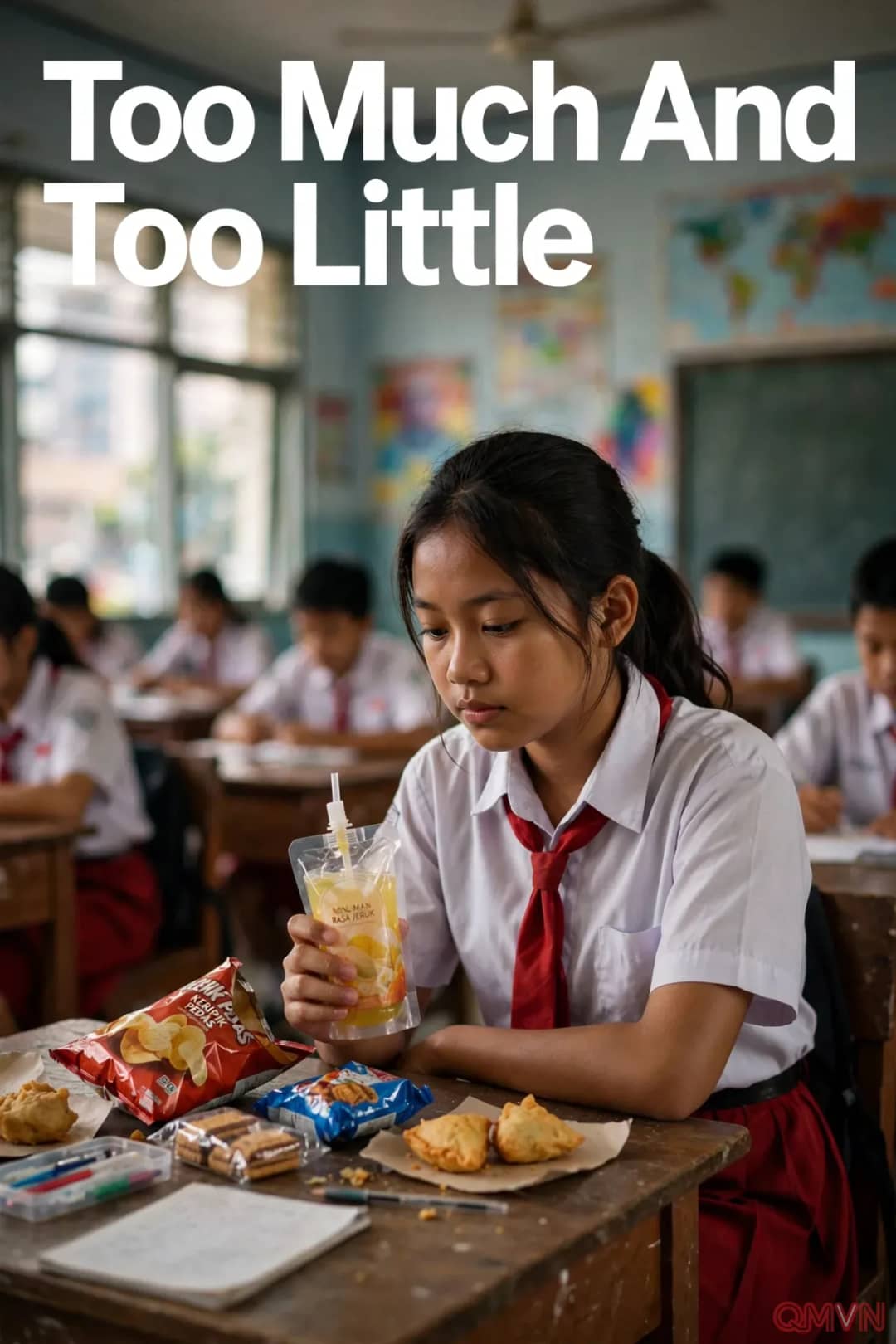
Fourteen-year-old Intan Permatasari is one of millions of Indonesian children living with obesity. Her story is far from unique: according to health experts, the national obesity rate has doubled in a decade, yet the condition is often brushed aside, even seen as a sign of a “healthy, well-fed” child.
The Health Ministry's 2023 Indonesian Health Survey (SKI) found that among children aged 5 to 12, 11.9 per cent were overweight and 7.8 per cent were obese. Siti Nadia Tarmizi, the ministry's director for non-communicable diseases, believes the real figures may be even higher once free health screenings for children and teenagers are rolled out nationwide.
When too much and too little coexist
What sets Indonesia apart is that obesity has not replaced undernutrition but runs alongside it. Stunting among children under five fell from 21.5 per cent in 2023 to 19.8 per cent in 2024, yet remains far from the 14 per cent target set by President Prabowo Subianto. In some families, a stunted child lives next to an overweight sibling.
Nutritionists stress a truth that is easily overlooked: an overweight child can still be malnourished. Diets rich in calories but poor in micronutrients, lacking protein, vegetables and fruit, leave the body storing fat while starving for nutrients, a form of “hidden hunger” in an age of plenty.