MAIN CONTENT
Where the UN Charter draws its line
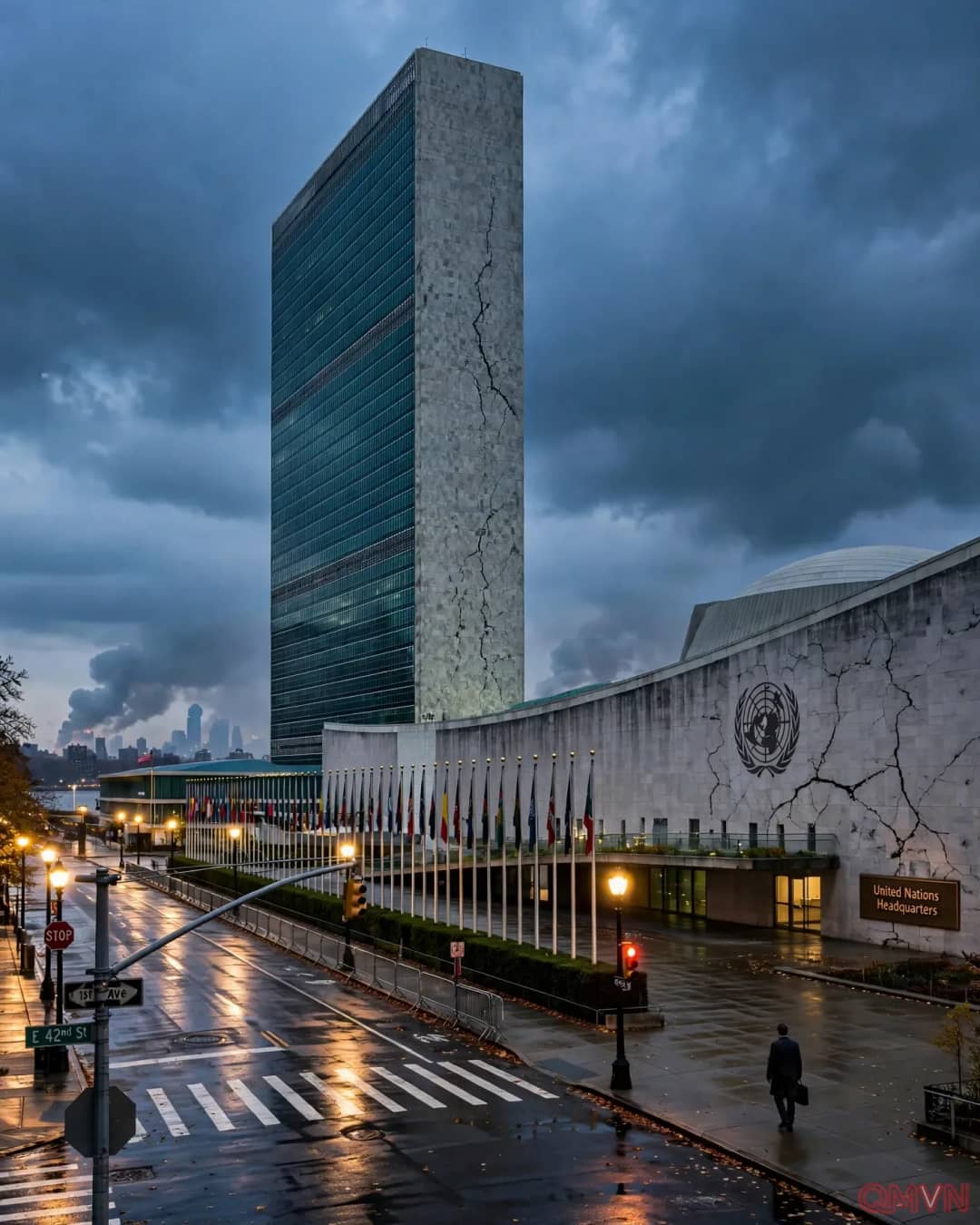
Araghchi begins with Article 2(4), which prohibits the threat or use of force against another state’s territorial integrity or political independence. The provision is a foundational rule of the postwar system, although states disagree over the reach of its exceptions. A government’s own assertion that its security is at risk does not, on its own, establish a lawful basis for military action.
Article 51 recognizes self-defense in response to an armed attack. Lawyers continue to debate the narrow circumstances in which force might be justified against an imminent attack, but that question differs significantly from launching a preventive war against a speculative future danger. Araghchi says Washington neither obtained Security Council authorization nor demonstrated grounds sufficient to invoke self-defense.
A Reuters legal analysis in March reported that several specialists found the campaign difficult to justify under the Charter without Security Council authorization or evidence of an attack meeting the legal threshold for self-defense. Such expert assessments are consequential, but they are not a final judgment by an international court.