MAIN CONTENT
Three powers at one table, but with different objectives
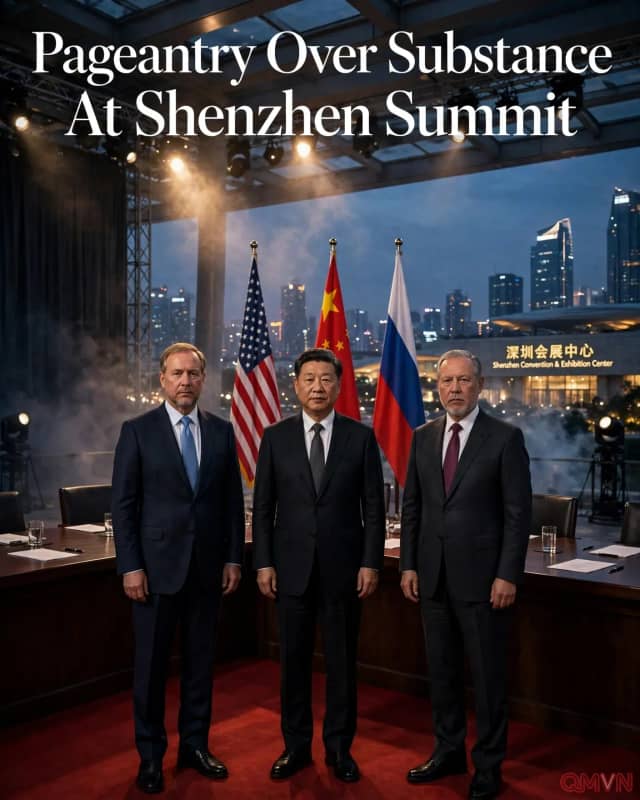
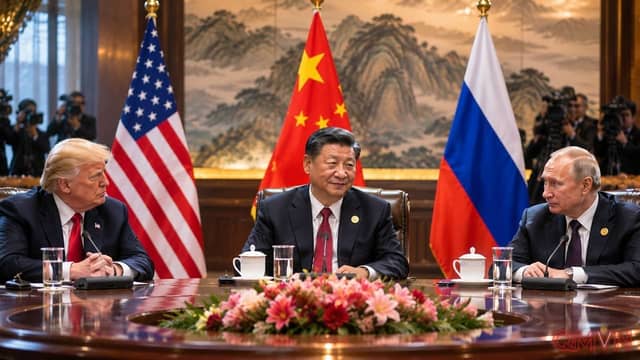
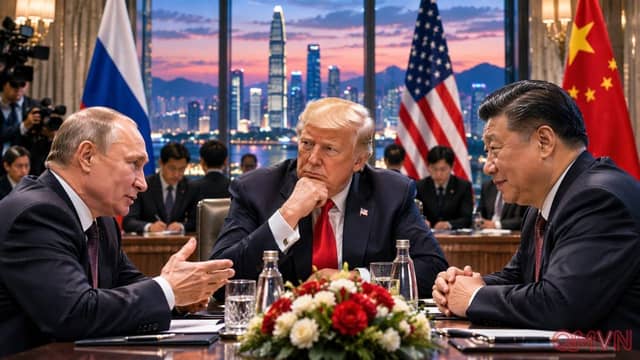
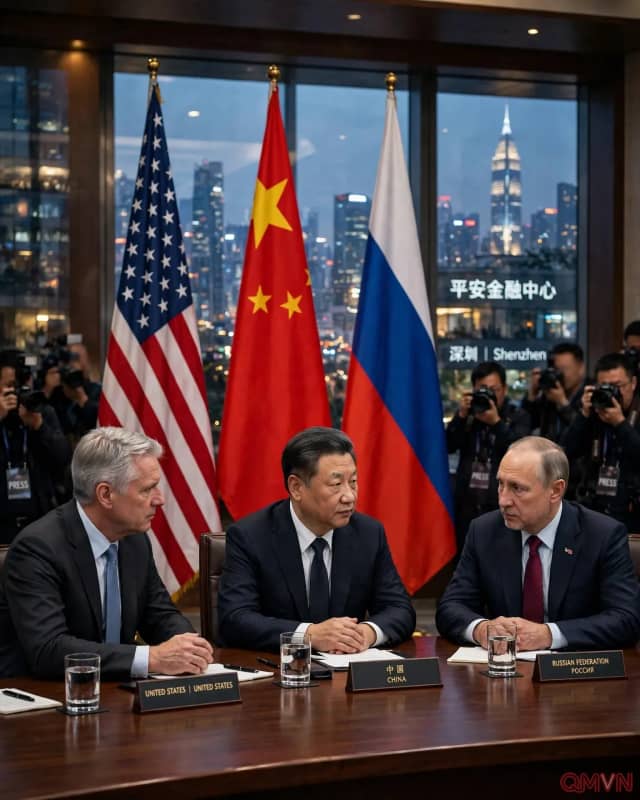
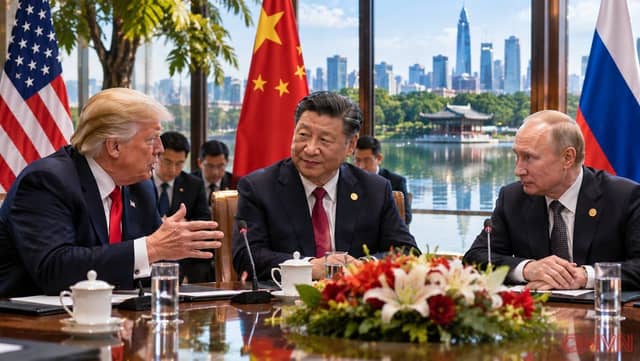
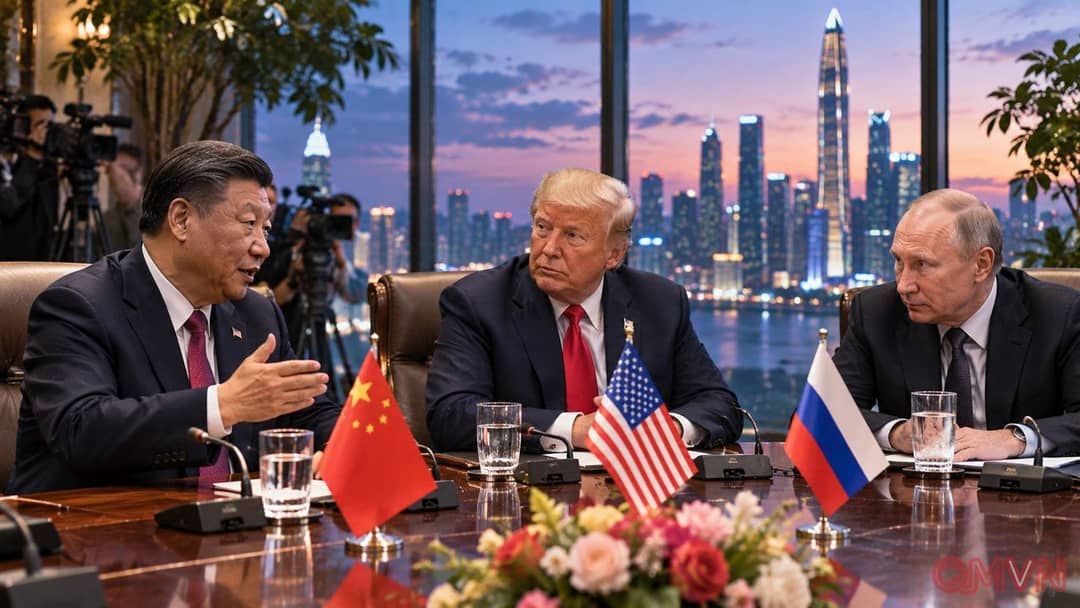
On November 16, China’s Foreign Ministry announced that Xi Jinping would hold a China–Russia–US heads-of-state meeting with Vladimir Putin and Donald Trump in Shenzhen on November 19. The date and venue are now official, following earlier confirmations from the White House and Kremlin. What remains undisclosed is equally important: Beijing’s short notice did not specify a detailed agenda, format, communiqué or commitments, so the scheduled encounter should not be mistaken for a negotiated outcome.
The meeting is set beside the November 18–19 APEC leaders’ gathering, which Xi will chair. Trump seeks an opening on nuclear restraint, Putin an affirmation of Russia’s importance to global security, and Xi the opportunity to demonstrate China’s diplomatic convening power. AFP and AP report substantial differences over priorities, including Ukraine. Those divergent calculations make a joint appearance historically notable while leaving the prospects for a consequential accord uncertain.
A vanished treaty and the difficulty of three-way arms control
Signed in 2010, New START established ceilings for deployed strategic nuclear arms and verification arrangements between the United States and Russia. Its expiry in February 2026 intensified concerns that the two largest nuclear powers would face fewer binding restraints.