MAIN ARTICLE
A warning and a disputed timeline
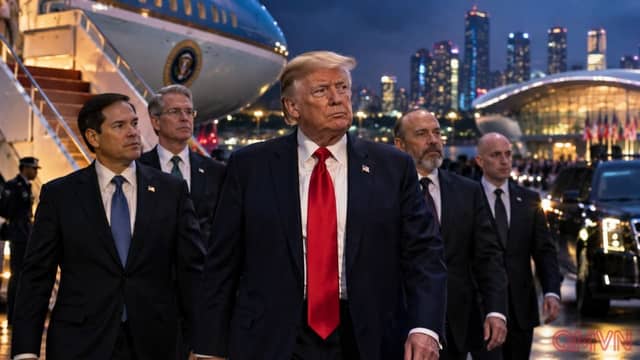
According to The Washington Post, a person familiar with a briefing said Secretary of State Marco Rubio told Trump aboard Air Force One during a May trip that American intelligence suspected a woman close to Huang of working for Chinese intelligence. The account conflicts with Trump’s public statement that he did not know of the allegations when Huang joined that trip. The source was not named, and the precise sequence of classified briefings has not been independently established in public.
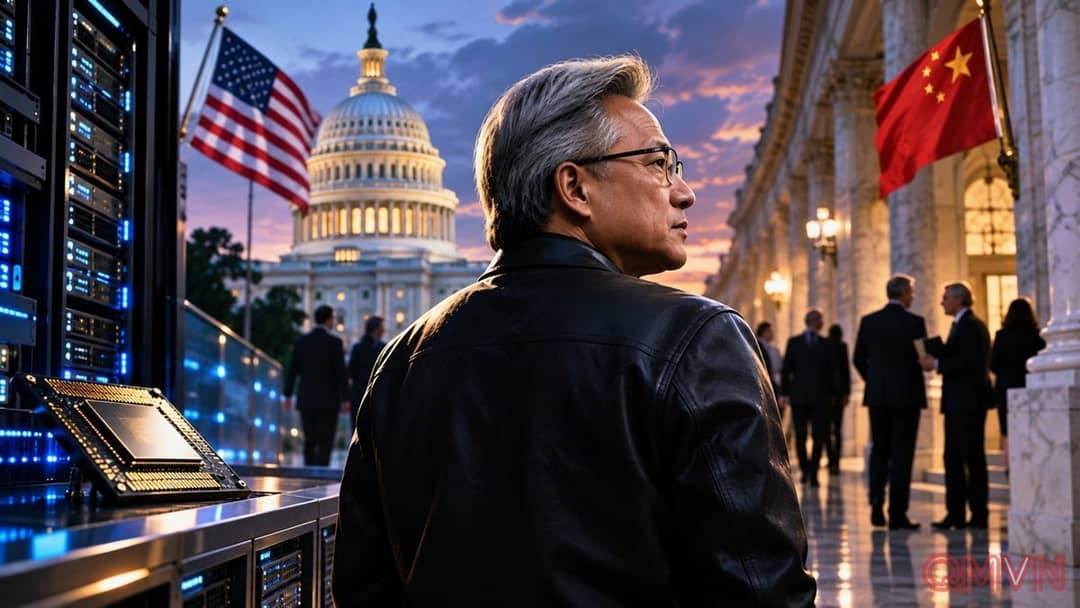
Huang acknowledged an intimate relationship with a technology executive, according to an employee communication reported by The Associated Press. That acknowledgment does not determine whether the woman acted for an intelligence service or whether proprietary information was disclosed. Nvidia’s board announced an investigation into reports of a foreign-intelligence effort. The company said Huang would remain chief executive while the review proceeded.
Trump said he believed Huang had not known the woman was an alleged spy, praised his contribution to American technology and appeared reluctant to make the matter an obstacle to diplomacy with China. Beijing rejected accusations of espionage as unfounded. These differing positions underline why an allegation, a corporate inquiry and a proven security breach must not be treated as interchangeable.