Pioneering Regulatory Reforms Address the Trillion-Yuan Clock
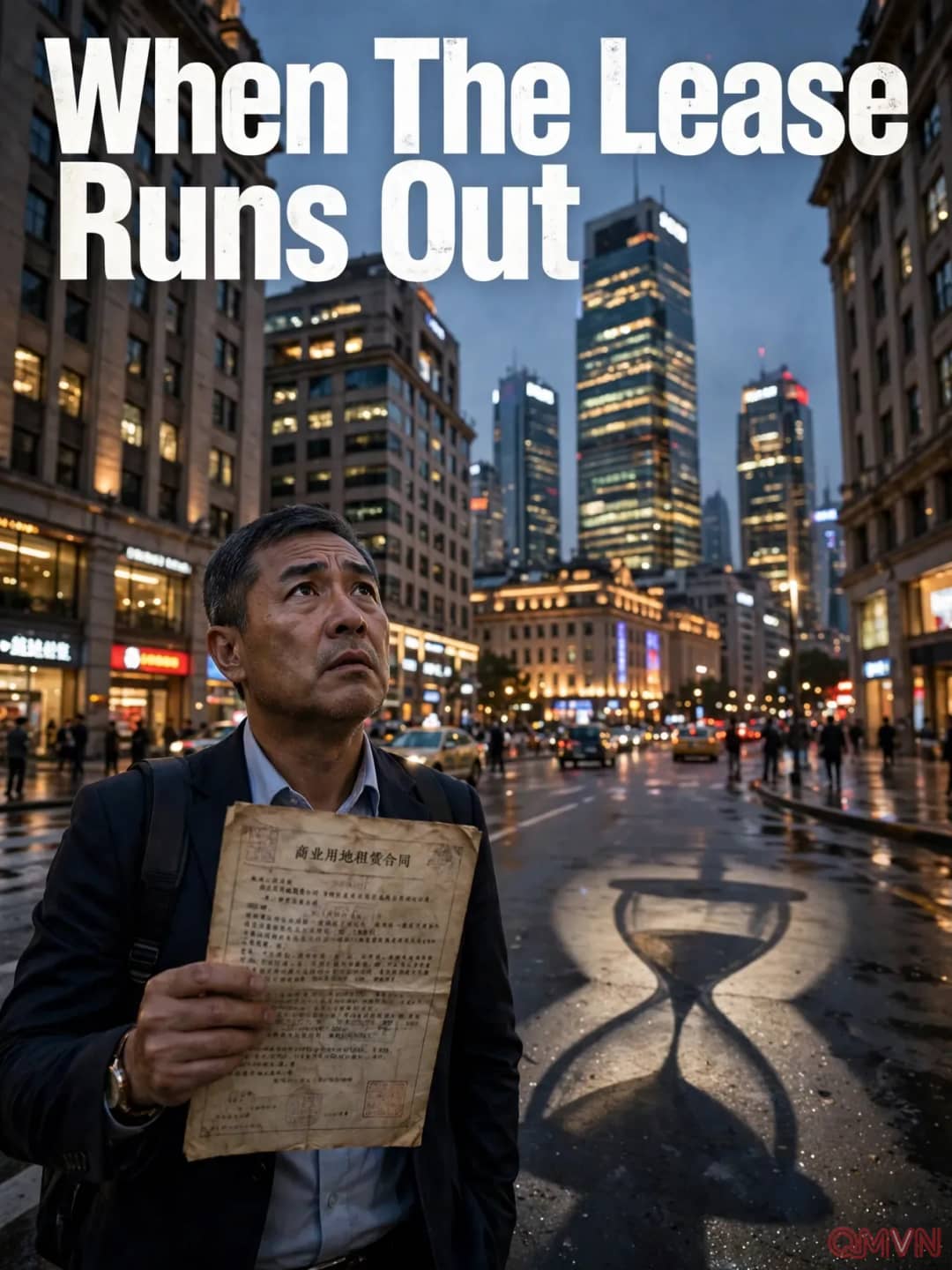
Across mainland China, where state land ownership dictates that private developers acquire strictly tenure-bound land-use rights, the approaching expiration of commercial land leases has long posed a severe existential threat. Initiated in Guangzhou in April and followed by Shanghai in July, local authorities have enacted unprecedented regulatory precedents. Under these pioneering frameworks, owners of expired commercial and industrial sites may secure tenure extensions by paying land-use fees pegged at no less than 70 percent of prevailing market benchmarks.
According to comprehensive empirical research from real estate advisory firm Cushman & Wakefield, non-residential properties carrying lease tenures due to expire within 20 years exceed 1 trillion yuan (approximately US$14.2 billion). Furthermore, industry consultancy CBRE projects that by 2030, roughly 30 million square metres of prime office and retail spaces across 18 leading Chinese cities will hold remaining tenures of fewer than two decades. The coordinated administrative initiatives in Guangzhou and Shanghai have therefore systematically dispelled paralyzing ambiguity regarding property valuations and titleholder entitlements.
“The policies effectively address the regulatory loopholes regarding the renewal of expired non-residential land-use rights, marking a significant milestone to revitalise assets and stabilise market expectations.” — Yan Yuejin