MAIN ARTICLE
What a geopolitical recession actually means
Jeremić’s expression does not describe falling economic output. It refers to a less measurable resource: political trust. In a July 2026 lecture at the University of Hong Kong, he argued that global power has already become multipolar while the institutions and rules that govern it have not caught up. A framework designed for a different distribution of influence can encourage unilateralism when emerging centers of power feel poorly represented.
He sketches three potential futures: hardened rival blocs; a form of competition contained by common rules; or cooperation grounded in shared responsibility. The crucial difference is whether powerful states accept limits that also bind themselves. Jeremić warns that worsening confrontation could turn a geopolitical recession into something much more destructive.
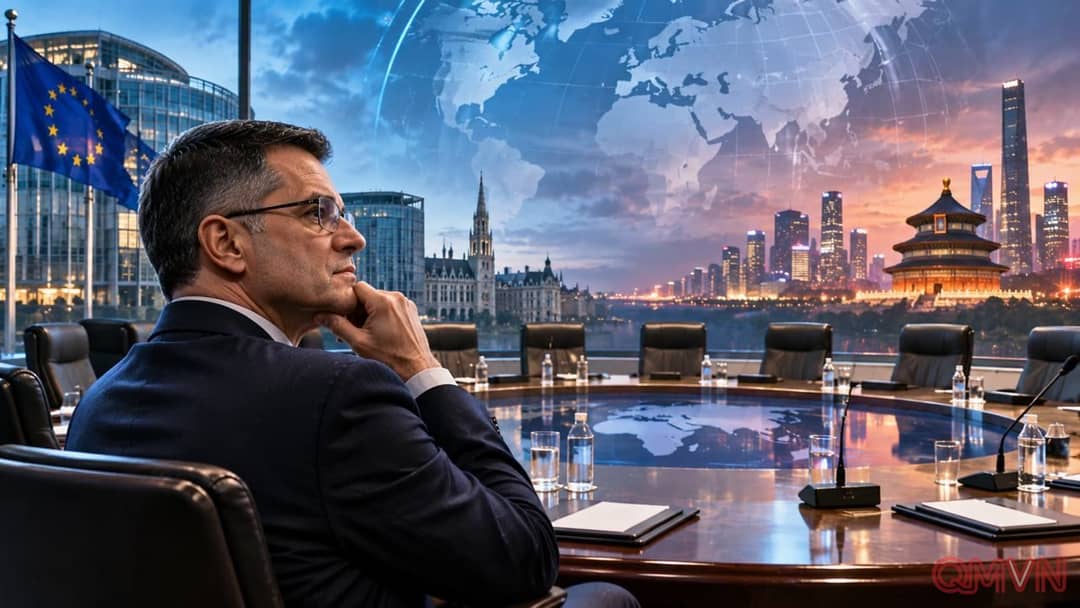
China’s rise fits this framework as both a fact of international life and a test of how responsibility is shared. Economic and technological strength alone cannot build trust. Durable stability requires procedures that partners and competitors alike can understand, verify and use when disputes arise.