From corporate scandal to policy debate
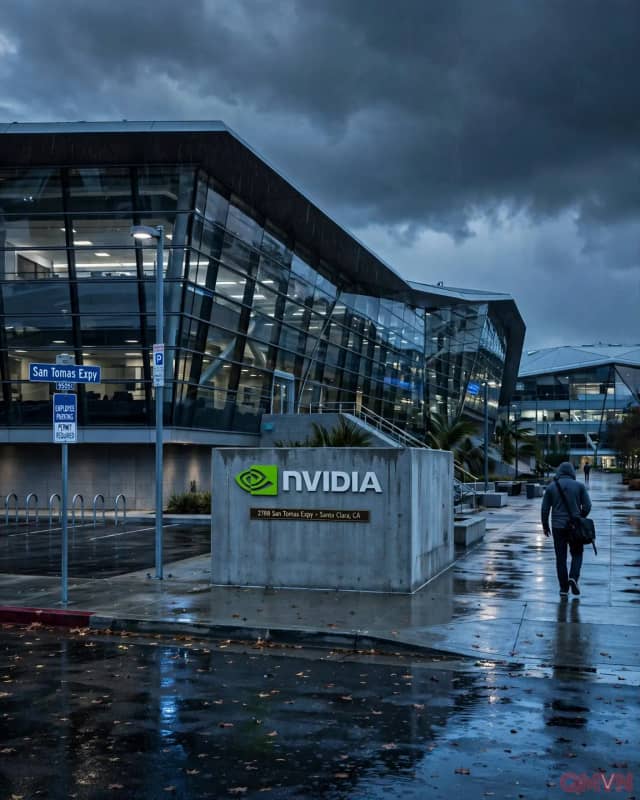
Few corporate controversies have moved so quickly from the boardroom to Capitol Hill. After The New York Times reported in late October that US officials had identified a Megaspeed executive close to Jensen Huang as an intelligence asset, Huang told staff he had been unfaithful to his wife, without publicly naming the person involved; Nvidia's board opened an independent inquiry, and three Republican committee chairs requested a closed-door briefing on November 18. Nvidia says the contacts were routine customer interactions and that earlier allegations of chip diversion through Megaspeed were investigated and dismissed. No one has been charged.
The fallout has reached markets, with brokerages including Baird and Morgan Stanley turning more cautious on the stock, according to Reuters. Yet the most lasting consequence may be political: China hawks who felt sidelined under President Donald Trump now see an opening to revive a tougher line on exports, while the Chinese embassy has dismissed the espionage claims as groundless.
Buchanan's case: computing power is national power
Ben Buchanan was watching Megaspeed long before it made headlines. As White House AI adviser under President Joe Biden, he drafted policy to keep top US chips out of China and noticed how the firm, spun off from a Chinese company in 2023, became Nvidia's largest Southeast Asian customer almost overnight. Now a professor at Johns Hopkins University and author of the new book “The Bitter Struggle,” he told Reuters that the stakes have only grown.