MAIN ARTICLE
One crisis, four competing priorities
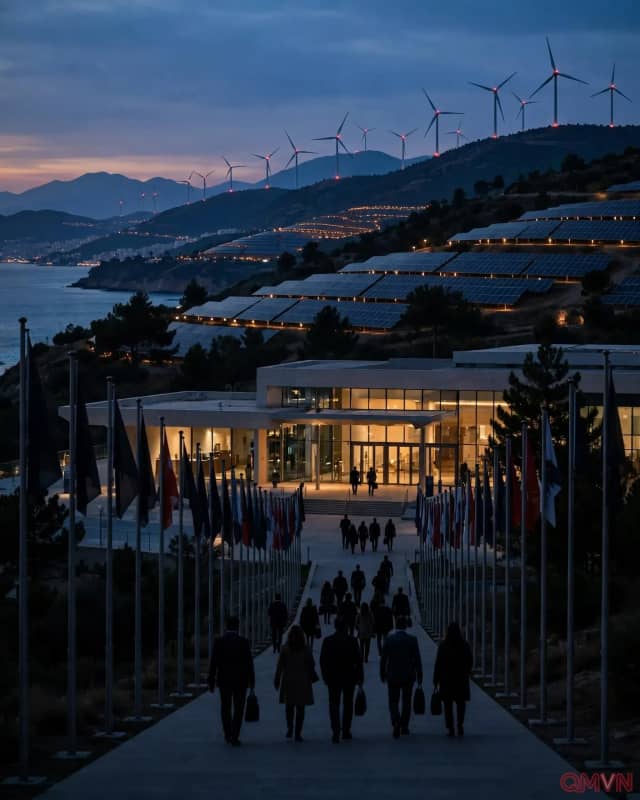
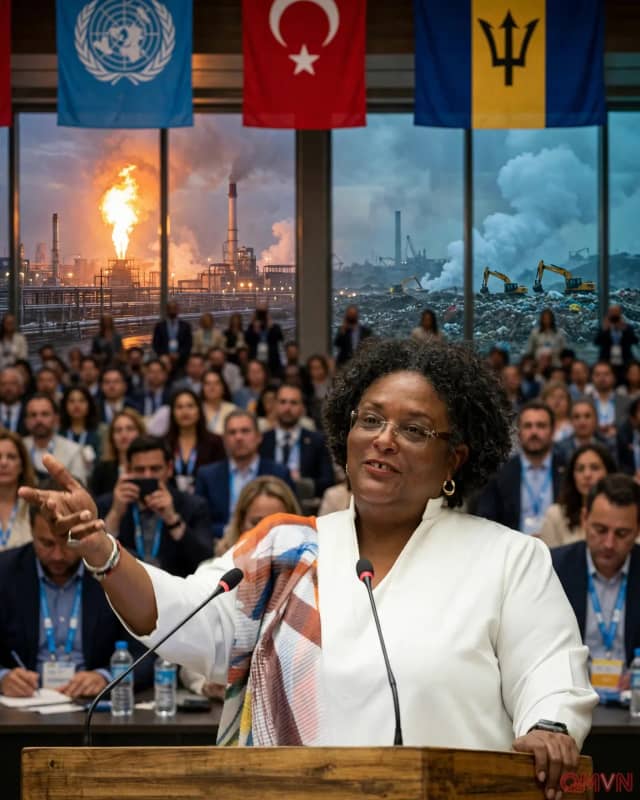
The leaders’ meetings on November 11 and 12 revealed how one planetary emergency can produce strikingly different political agendas. For European governments, cleaner electricity promises both lower emissions and greater energy security. For poorer countries, an ambitious target matters only when financing is available for grids, flood defences and livelihoods. Fossil-fuel exporters, meanwhile, worry about the economic and fiscal disruptions that could follow an abrupt transition away from oil and gas.
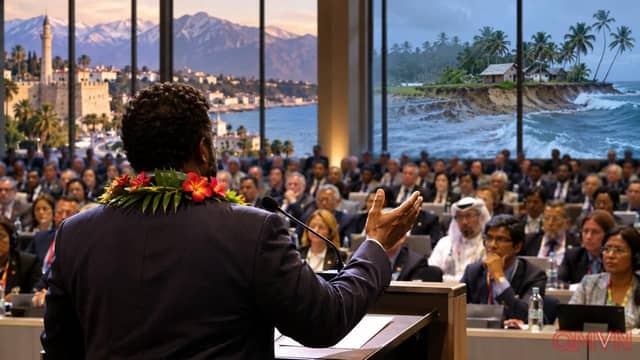
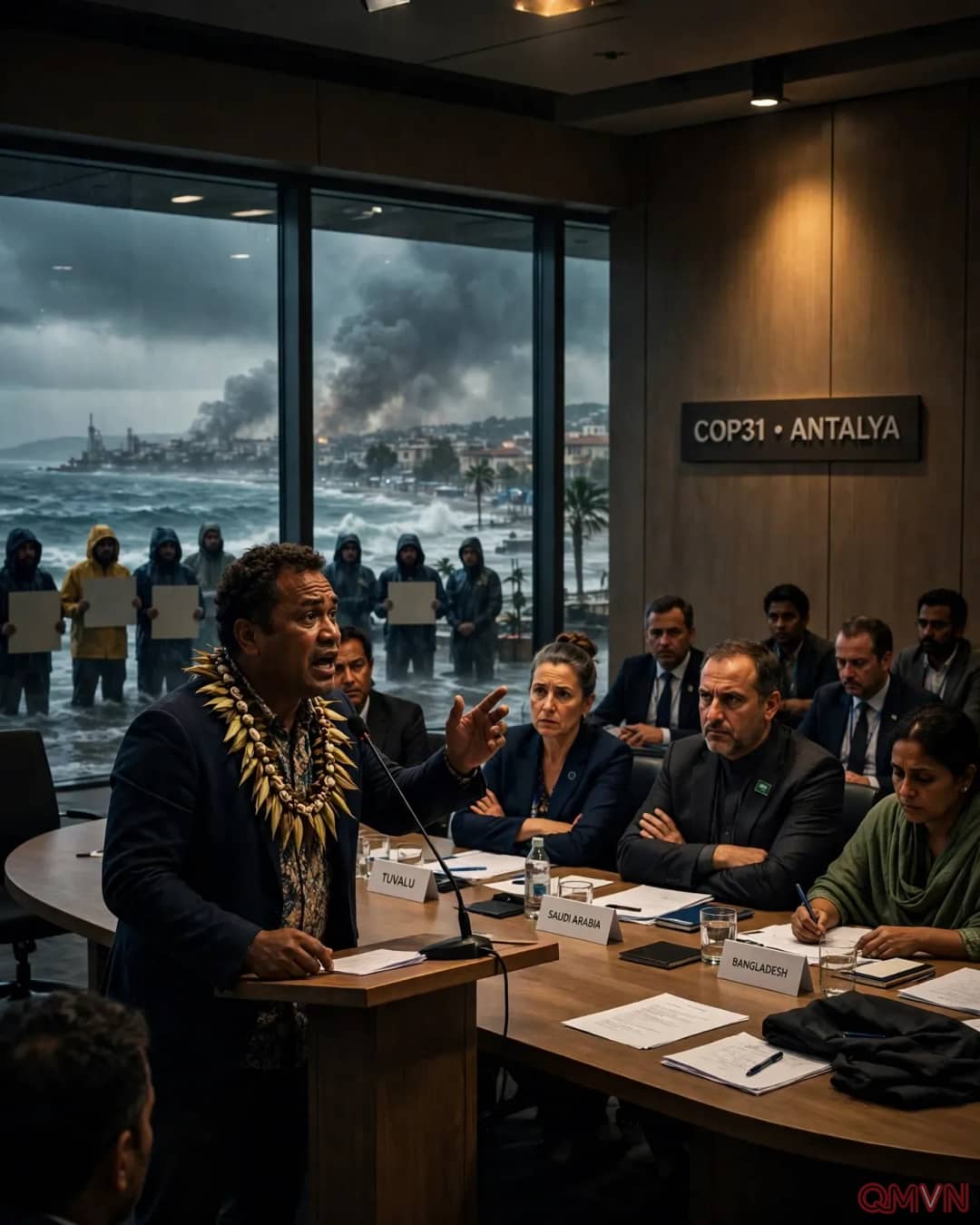
Small island states apply an even more immediate test: can an agreement protect homes, drinking water and the land on which their communities depend? Because international climate negotiations operate by consensus, no delegation can simply impose its preferred formula. The distance between powerful speeches and precise language in the final agreement therefore remains one of the most consequential questions awaiting negotiators.
Electrification and finance test international trust
In a November 12 address, Australia's climate and energy minister Chris Bowen, who is also COP31 President of Negotiations, called for electricity to expand from roughly one-fifth to one-third of final energy use. The “35 by 35” proposal gives the electrification agenda a memorable goal. Achieving it, however, will require dependable clean generation, stronger networks, affordable equipment and policies adapted to each country's circumstances, not merely a declaration signed at a summit.