MAIN CONTENT
The front line asks for more than sympathy
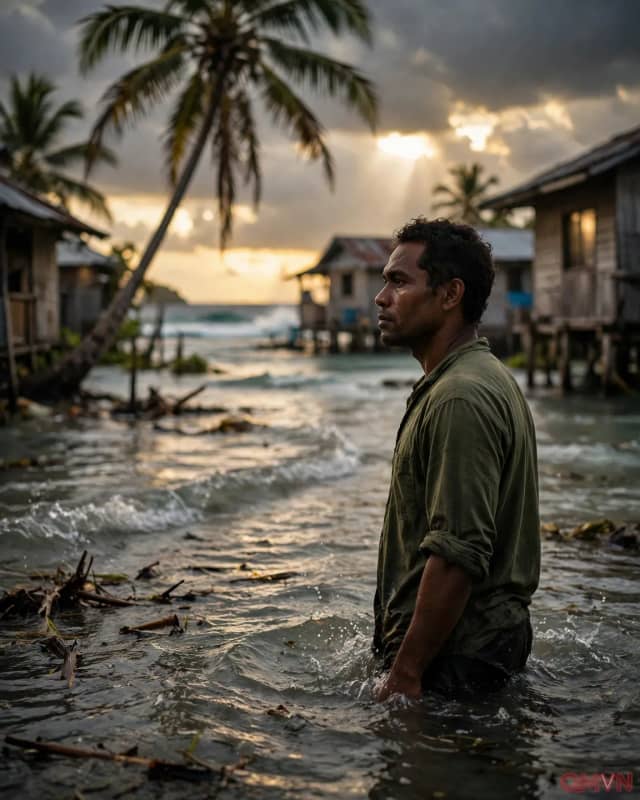
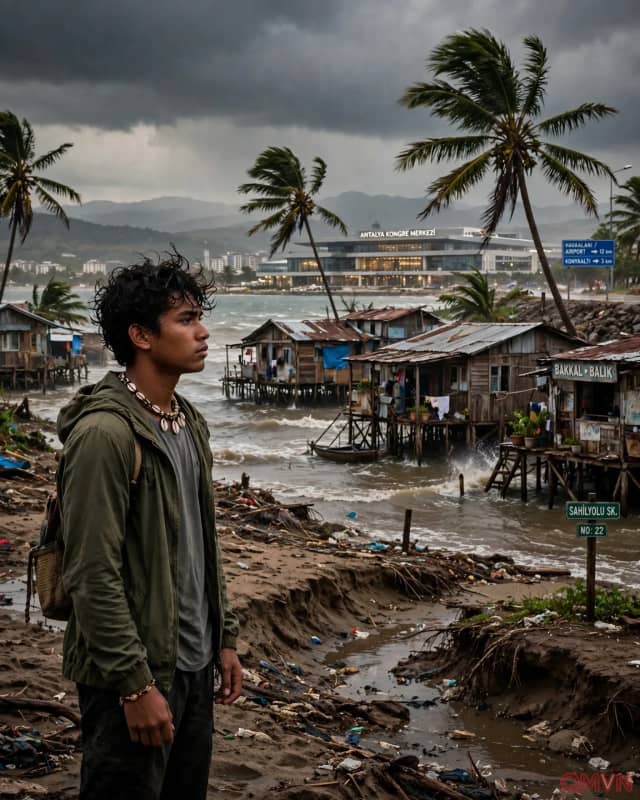
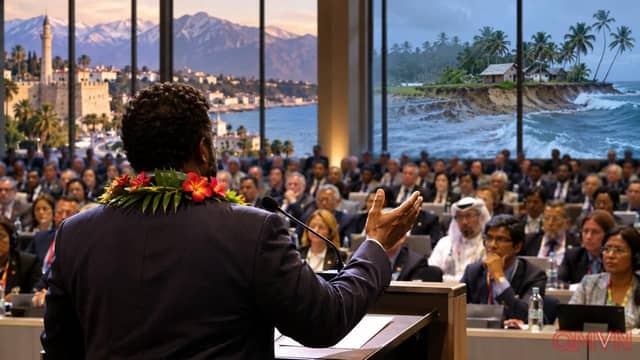
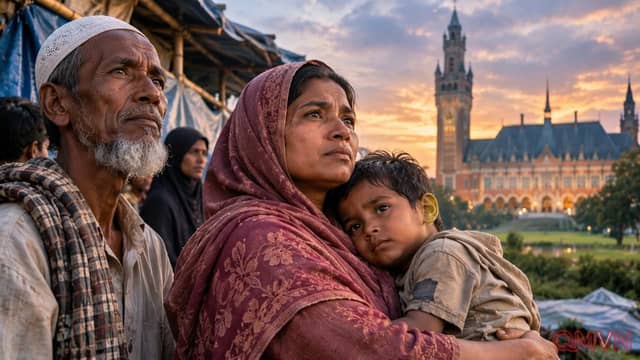
For small island states, climate change is not a distant forecast. Rising seas, coastal erosion, stronger storms and saltwater intrusion can force communities to choose between protecting their homes and abandoning them. Leaders from the Bahamas, Tuvalu, Solomon Islands and Saint Lucia used the Antalya summit to demand measurable action from countries responsible for the largest share of emissions. Their appeal places human security, rather than diplomatic prestige, at the centre of negotiations.
Saint Lucia’s Prime Minister Philip J. Pierre urged major emitters to move beyond familiar pledges. Vulnerable nations need emissions reductions within this decade, but also reliable warnings, resilient infrastructure and resources to rebuild after disasters. Climate justice therefore raises an uncomfortable question: who enjoyed the economic benefits of carbon-intensive industrial development, and who is now bearing the greatest share of the resulting risks?
Electrification offers a path, not a shortcut
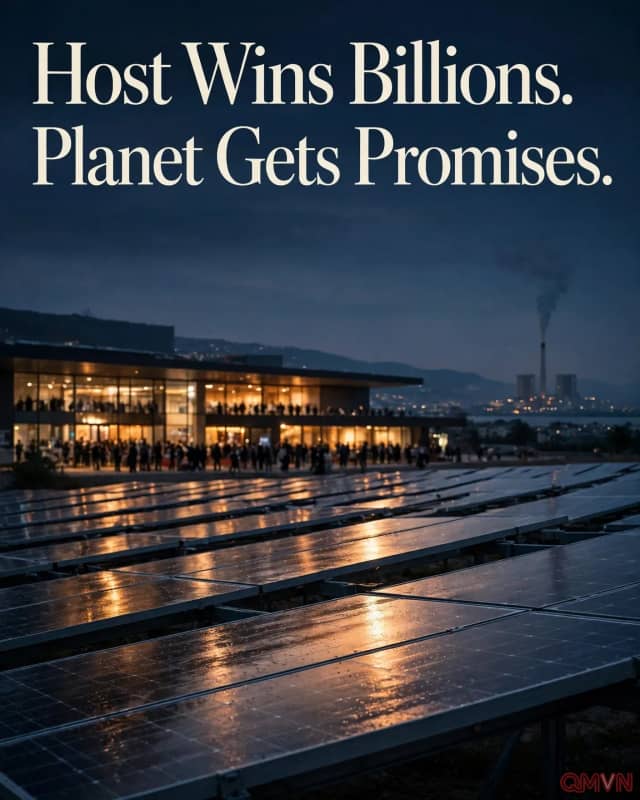
British Prime Minister Andy Burnham supported a Türkiye-backed proposal to lift electricity’s share of global final energy consumption to 35% by 2035, from about 23% today according to UN climate conference materials. Electric vehicles, heating systems and industrial processes can reduce direct fossil-fuel combustion. They can also insulate economies from some of the geopolitical shocks transmitted through imported oil and gas.